

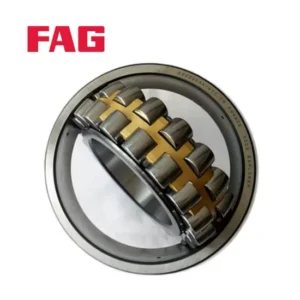
Product Details
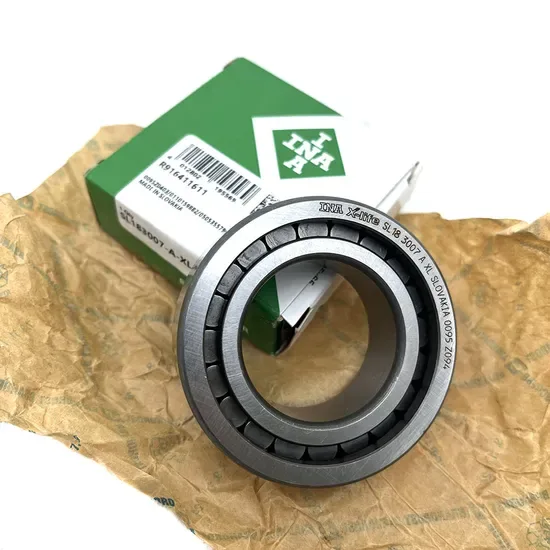
About This INA Bearing
Mixed-Brand Sourcing Consolidated — Procure this FAG unit alongside SKF or Timken equivalents in a single consolidated shipment without juggling multiple vendors.
Technical Specifications
| Parameter | Value |
|---|---|
| Designation | FAG 24028-Es-K30-Tvpb-C3 |
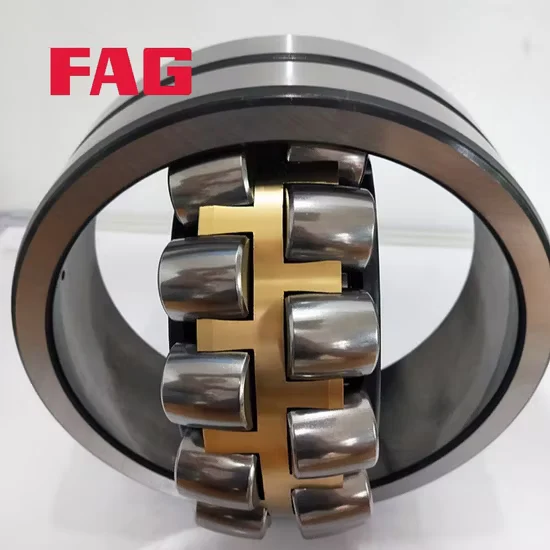
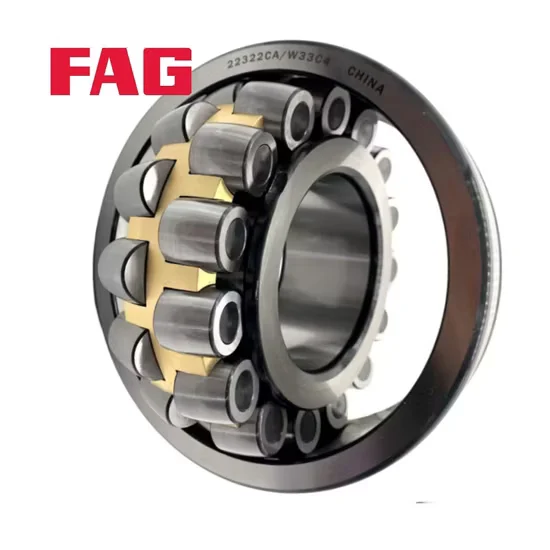
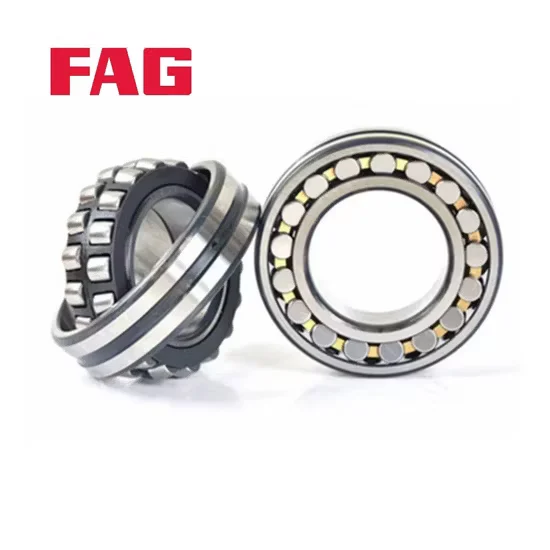
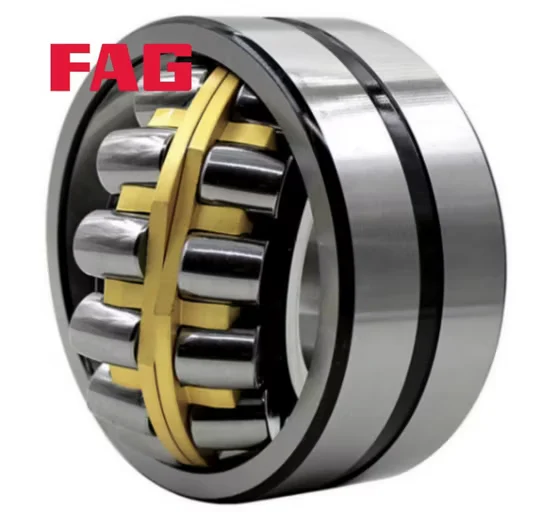
| Bearing Type | Spherical Roller Bearing |
| Arrangement | Double Row, Self-Aligning |
| Material | Chrome Steel Gcr15 |
| Cage Material | Steel, Brass, Nylon (Options) |
| Precision Class | P0, P2, P4, P5, P6 (Options) |
| Clearance Class | C3 |
| Customization | Available |
| Origin | Jiangsu China |
Note: The suffixes 's', 'K30', and 'Tvpb' remain unverified and require manufacturer catalog confirmation prior to final selection.
Application Suitability
| Industry | Typical Applications |
|---|---|
| Mining & Construction | Vibrating screens and heavy-duty crushers |
| Pulp & Paper | Paper machines and dryer rolls |
| Metallurgy | Steel mill equipment and continuous casters |
Why Open-Flame Heating Destroys the FAG 24028-Es-K30-Tvpb-C3 spherical roller bearing
Induction heating is the only acceptable mounting method for this specific bore configuration.
I once watched a maintenance crew in a Nigerian mine use an open torch to heat a bearing just like this one. The localized extreme heat completely ruined the metallographic structure, causing the rings to anneal and seize within months. When dealing with heavy-duty equipment, improper thermal mounting negates the enhanced internal geometry. The intense thermal gradients introduced by direct flame contact create microscopic cracks and soften the raceways, completely voiding any fatigue life calculations. Maintenance teams must strictly adhere to controlled heating protocols to preserve the integrity of the chrome steel components.
Matching the Enhanced Design to High-Vibration Environments
Vibrating screens and crushers subject equipment to relentless shock loads and severe misalignment. The FAG 24028-Es-K30-Tvpb-C3 spherical roller bearing addresses these challenges through its self-aligning capability and reinforced internal geometry. Our engineering team routinely cross-references these specific load profiles to ensure the selected clearance and cage combination survive the brutal operational realities of mining and aggregate processing. The double-row arrangement distributes the immense radial forces evenly across the rolling elements, while the self-aligning feature compensates for shaft deflection and housing machining inaccuracies. This structural resilience is absolutely critical for maintaining continuous operation in facilities where unexpected downtime incurs massive financial penalties.
Managing Thermal Expansion and Contamination in Steel Mills
Steel mill equipment operates under intense radiant heat and heavy particulate contamination. High ambient temperatures demand adequate internal clearance to accommodate thermal expansion of the shaft and housing, preventing destructive preload. Furthermore, the constant presence of scale and dust requires effective sealing solutions or frequent relubrication protocols to protect the rolling elements. Without adequate protection, abrasive particles infiltrate the raceway, acting as a grinding paste that rapidly accelerates surface fatigue and spalling. Effective contamination control and precise lubrication intervals are just as vital as the initial component selection when deploying these units in harsh metallurgical environments.
Decoding the Internal Geometry and Clearance Selection
The 'E' suffix indicates an enhanced internal design, maximizing the load-carrying capacity by optimizing the roller profile and raceway curvature. This structural upgrade is critical for sustaining the immense radial forces encountered in crusher applications. Additionally, the C3 clearance class provides the necessary internal play to absorb thermal expansion when the inner ring heats up faster than the housing during continuous operation. Selecting the correct cage material—whether steel, brass, or nylon—depends entirely on the specific vibration frequency and operating temperature of your machinery. Brass cages generally offer superior durability in high-vibration scenarios, while steel cages provide excellent strength for heavy-load, moderate-speed applications. Understanding these nuanced material interactions ensures the selected configuration delivers optimal service life.
The Financial Drain of Premature Seizure and Unplanned Downtime
Specifying standard clearance for a high-temperature application inevitably leads to internal preload, accelerated fatigue, and catastrophic seizure. Such failures trigger massive unplanned downtime, especially when the component is buried deep within a paper machine or continuous caster. According to established failure analysis frameworks, a significant share of premature failures stems directly from ignoring the thermal dynamics of the operating environment. Replacing a seized unit involves extensive labor costs, collateral damage to adjacent shafts and housings, and severe production losses. Proactively validating the clearance class and cage material against the actual operating conditions is the most effective strategy to mitigate these hidden operational expenses.
Securing Traceable Inventory for Critical Spare Parts
Sourcing genuine components requires more than just matching a part number; it demands verifiable origin documentation. We maintain massive spot inventory of these specific enhanced-design units, eliminating typical multi-week lead times. Our technical team actively verifies that the cage and clearance suffixes perfectly align with your OEM requirements before dispatch. Every shipment includes complete batch traceability, ensuring you receive authentic products rather than unverified market surplus. Furthermore, our consolidation services allow you to combine this order with other critical maintenance spares from different premium brands, significantly reducing international freight costs and simplifying your procurement workflow for complex maintenance shutdowns.
Documentation & Authenticity
- Certificate of Conformity validating the original factory batch for this specific enhanced design.
- Official app QR code verification to confirm the authenticity of the C3 clearance unit.
- Material inspection reports confirming the Chrome Steel Gcr15 metallurgical composition.
- Dimensional and running accuracy inspection reports verifying the selected precision class.
- Complete origin documentation tracing the manufacturing facility and production date.
Storage, Handling & Mounting
- Store the self-aligning unit in its original packaging to protect the exposed raceways from ambient humidity.
- Utilize induction heating tools exclusively for mounting; open-flame heating will destroy the chrome steel microstructure.
- Verify the drive-in distance and residual clearance carefully during installation to maintain the C3 internal play.
- Apply clean lint-free gloves when handling to prevent acidic sweat from corroding the precision-ground surfaces.
- Ensure the selected cage material matches the relubrication interval specified for your vibrating screen.
Requesting Technical Validation for Your Application
To ensure this FAG 24028-Es-K30-Tvpb-C3 spherical roller bearing perfectly matches your machinery, please share your specific radial and axial load profiles alongside operating speeds and ambient temperatures. Providing the exact OEM equipment number allows our engineers to perform a comprehensive cross-reference check and L10 life calculation. This data enables us to confirm whether the current clearance and cage selection will withstand your unique operational demands.
Frequently Asked Questions
Q: How can I verify the authenticity of this specific bearing through official traceability tools?
A: You can authenticate the unit by scanning the QR code on the packaging using the manufacturer's official mobile application. This digital verification confirms the original factory batch, production date, and genuine C3 clearance specification, protecting your operation from counterfeit components that frequently plague the heavy equipment aftermarket.
Q: What are the critical alignment checks when cross-referencing clearance and cage suffixes?
A: When evaluating replacements, you must ensure the internal clearance matches the thermal expansion characteristics of your application. Additionally, the cage material must withstand the specific vibration frequencies and operating temperatures. Mismatching these parameters often leads to premature cage fracture or thermal seizure under heavy radial loads.
Q: How does C3 clearance differ from standard CN in high-temperature applications?
A: Standard CN clearance is designed for normal operating temperatures and typical fits. In contrast, C3 clearance provides greater internal play, which is essential when the inner ring operates at significantly higher temperatures than the outer housing. This extra space prevents the bearing from seizing as the shaft expands during continuous heavy-duty operation.
Q: Which induction heating tools and practices are recommended for mounting large bore bearings?
A: For large bore configurations, always use calibrated induction heaters equipped with automatic demagnetization and temperature probes. Heating must be uniform and strictly controlled to avoid localized hot spots that alter the metallographic structure. Never use open flames or oil baths, as these methods destroy the heat treatment and compromise the load-carrying capacity.