
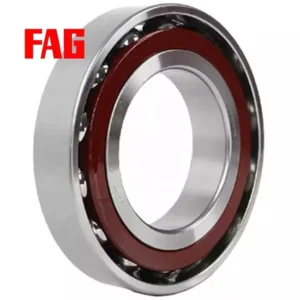
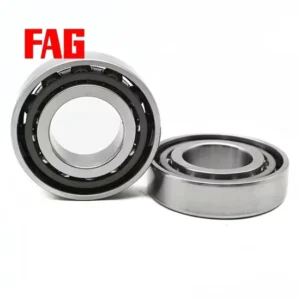
Product Details
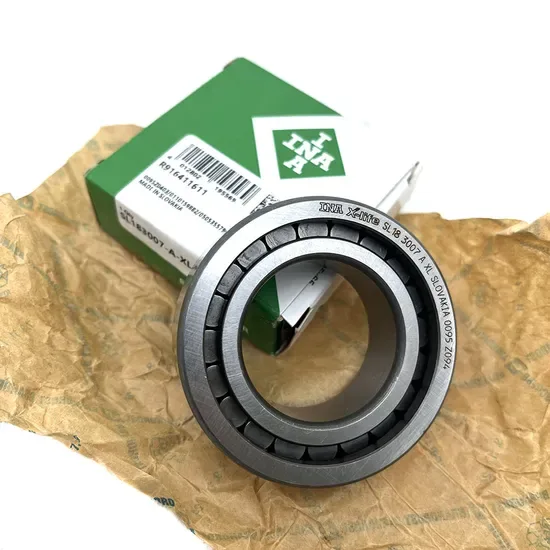
About This INA Bearing
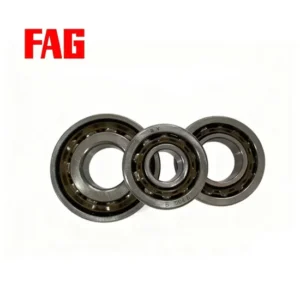
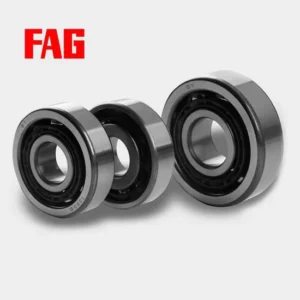
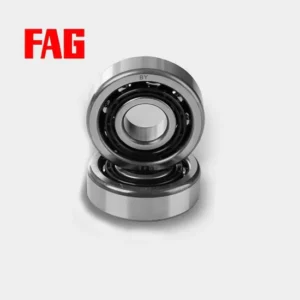
Full Brand Sourcing Coverage — Consolidate your FAG spindle bearings with other motor or pump brands in a single shipment without juggling multiple vendors.
Technical Specifications
| Parameter | Value |
|---|---|
| Designation | FAG B71904-C-T-P4s-UL |
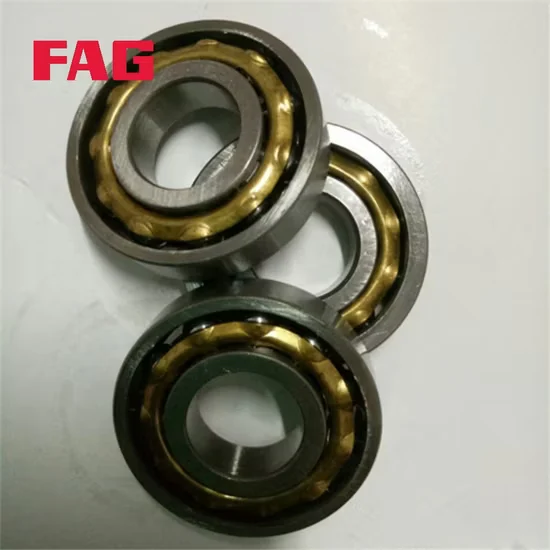
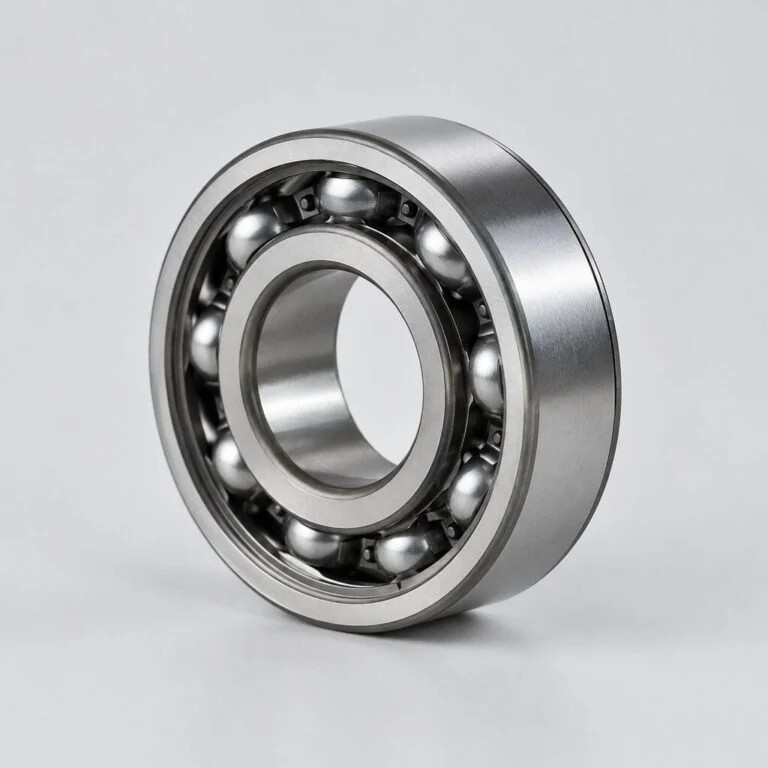
| Bearing Type | Angular Contact Ball Bearing |
| Bore Diameter (d) | 20 mm |
| Outside Diameter (D) | 37 mm |
| Width (B) | 9 mm |
| Precision Class | P4s |
| Contact Angle | 15° |
| Material | Steel |
| Origin | Jiangsu China |
Application Suitability
| Industry | Typical Applications |
|---|---|
| Machine Tool Manufacturing | High-speed CNC lathe spindle front and rear support |
| Precision Equipment | Rotary tables and indexing heads requiring minimal runout |
| Robotics | High-precision joint actuators demanding tight dimensional tolerance |
Why Spindle Vibration Often Traces Back to Precision Mismatches
Tighter dimensional tolerances prevent the high-frequency chatter that ruins surface finishes.
Early in my career configuring CNC lathe spindles, I underestimated preload matching and specified standard P5 angular contact bearings. The result was excessive vibration at high RPMs and visible chatter marks on the machined workpieces. Upgrading to a genuine FAG B71904-C-T-P4s-UL angular contact ball bearing resolved those issues by ensuring the running accuracy matches the spindle's dynamic demands. When the internal geometry lacks this strict P4s precision, the rolling elements induce microscopic oscillations that amplify through the tool tip. This not only degrades the surface finish but also accelerates raceway fatigue. Sourcing components with verified dimensional stability is the only reliable way to eliminate these parasitic vibrations and maintain consistent part quality.
Matching Spindle Dynamics with P4s Tolerance
High-speed machining centers demand exceptional rotational accuracy to maintain tight geometrical tolerances on the workpiece. The FAG B71904-C-T-P4s-UL angular contact ball bearing delivers the necessary P4s precision class to minimize radial and axial runout during aggressive cutting cycles. Our engineering team routinely cross-references these specific spindle requirements against mixed-brand project orders to ensure optimal dynamic stiffness. By maintaining strict control over the bore and outside diameter tolerances, the bearing seats perfectly within the housing without inducing unwanted preload variations. This precise fit is crucial for high-speed milling operations where even minor misalignments can cause severe tool wear and compromise the final part geometry.
Managing Thermal Growth and Lubrication in High-RPM Environments
Spindle bearings operate under combined radial and axial loads while generating significant internal friction heat. This thermal expansion directly impacts the internal clearance and preload state, making the 15° contact angle critical for balancing load distribution. Proper oil-air or grease lubrication must be maintained to prevent thermal seizure, especially when the bearing is subjected to continuous high-speed rotation. The single-row design facilitates efficient heat dissipation when paired with advanced spindle cooling jackets. If the lubrication film breaks down due to excessive centrifugal forces, the resulting metal-to-metal contact will rapidly destroy the precision raceways. Selecting the correct lubrication interval and viscosity is therefore just as vital as the initial bearing selection.
Decoding the B719 Series Engineering Parameters
The B719 series indicates a specific cross-section optimized for compact spindle housings where space is at a premium. The 'C' suffix confirms the 15° contact angle, providing an ideal compromise between axial rigidity and high-speed capability. Achieving P4s precision means the dimensional and running accuracies are strictly controlled to support ultra-precision grinding and milling operations. The single-row configuration allows flexible mounting arrangements, such as back-to-back or face-to-face pairs, to tailor the spindle's overall rigidity. Furthermore, these components are available in high-purity bearing steel or hybrid ceramic variants to suit different speed and thermal requirements. This material flexibility ensures that the bearing can withstand the specific operational stresses of your machining environment without premature degradation.
The Financial Impact of Compromised Spindle Accuracy
Selecting a lower precision grade or mismatching the contact angle leads to premature fatigue and catastrophic spindle failure. According to failure mode classifications outlined in ISO 15243, inadequate precision often accelerates surface distress and smearing on the raceways. This unplanned downtime not only halts production but also voids the machine tool warranty and necessitates costly shaft replacements. The hidden costs extend beyond the replacement part itself, encompassing lost production hours, scrapped workpieces, and emergency freight charges. Investing in verified, high-precision components from the outset mitigates these risks and ensures a predictable maintenance schedule for your manufacturing facility.
Securing Traceability for Critical Spindle Components
Sourcing genuine precision bearings requires rigorous verification to avoid counterfeit parts that degrade spindle performance. We provide complete batch traceability documentation for every FAG B71904-C-T-P4s-UL angular contact ball bearing shipped from our facilities. Our technical team verifies the exact preload and tolerance class against the manufacturer's specifications before consolidation. This prevents the common procurement error of receiving mismatched pairing sets that cannot achieve the required spindle rigidity. By leveraging our global sourcing network, we secure authentic inventory directly from authorized channels, ensuring that the metallurgical integrity and dimensional accuracy meet the stringent demands of modern CNC machining centers.
Verification and Traceability Records
- Certificate of Conformity confirming genuine FAG origin and P4s tolerance compliance.
- Original manufacturer batch traceability codes linked to the specific production run.
- Dimensional inspection reports verifying the 20mm bore and 37mm outside diameter limits.
- Running accuracy test data validating the strict P4s radial and axial runout thresholds.
Preservation and Installation Protocols
- Keep the factory-sealed packaging intact until mounting to protect the P4s precision raceways from microscopic dust contamination.
- Store the single-row bearings in a climate-controlled environment to prevent thermal shock before spindle assembly.
- Use clean, lint-free gloves when handling the 15° contact angle bearings to avoid transferring corrosive skin oils to the steel or ceramic surfaces.
- Follow the manufacturer's induction heating guidelines strictly to preserve the P4s dimensional stability during press-fitting onto the spindle shaft.
Preparing Your Technical Requirements
To ensure the selected bearing meets your exact spindle design, please share the operational parameters including radial and axial loads, maximum RPM, and operating temperature range. Providing the original equipment manufacturer's spindle drawing or part number allows our engineers to perform a precise cross-reference and L10 life calculation. This technical review guarantees the proposed configuration aligns perfectly with your machining accuracy goals. Additionally, specifying the desired mounting arrangement and lubrication method helps us recommend the optimal pairing and preload setup for your specific application, ensuring long-term reliability and minimal maintenance intervention.
Frequently Asked Questions
Q: How does P4s precision compare to standard P4 or ABEC equivalents?
A: The P4s class represents an enhanced precision level that exceeds standard P4 or ABEC 7 tolerances, specifically targeting the stringent running accuracy required for high-speed machine tool spindles. This tighter control minimizes vibration and ensures superior surface finishes during precision machining operations.
Q: What do the unverified suffixes T and UL indicate in the catalog?
A: While the C and P4s suffixes denote the 15° contact angle and precision class, the T and UL designations require direct confirmation from the manufacturer's technical catalog to verify the exact cage material and the specific universal flush grinding preload arrangement.
Q: How can we verify the authenticity of these spindle bearings?
A: We supply comprehensive traceability documentation, including original batch codes and certificates of conformity. Buyers can cross-check these identifiers through official channels to confirm the bearings are genuine and meet the strict P4s manufacturing standards required for critical spindle applications.
Q: Can this single-row bearing be paired for specific preload configurations?
A: Yes, single-row angular contact bearings are typically mounted in pairs or sets to accommodate combined loads and increase axial rigidity. The universal flush grinding allows flexible back-to-back or face-to-face arrangements depending on the specific spindle design and machining requirements.