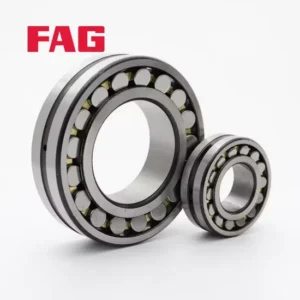
Product Details
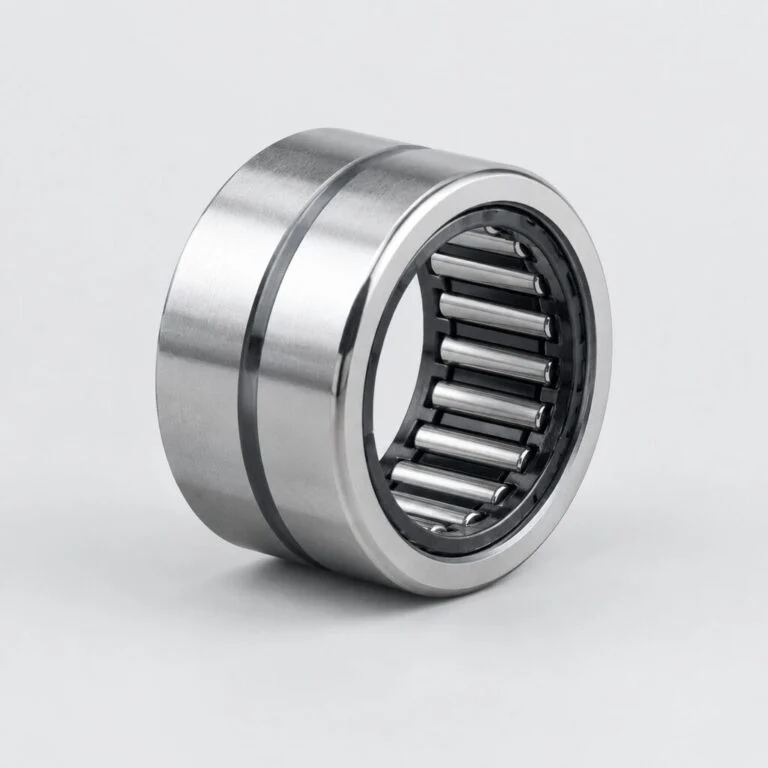
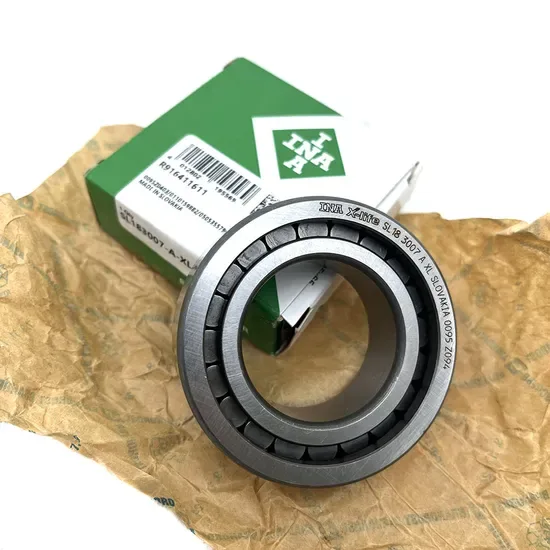
About This INA Bearing
Mixed-Brand Sourcing Covered — Consolidate SKF, FAG, and NTN orders into one shipment without juggling multiple vendor accounts.
Technical Specifications
| Parameter | Value |
|---|---|
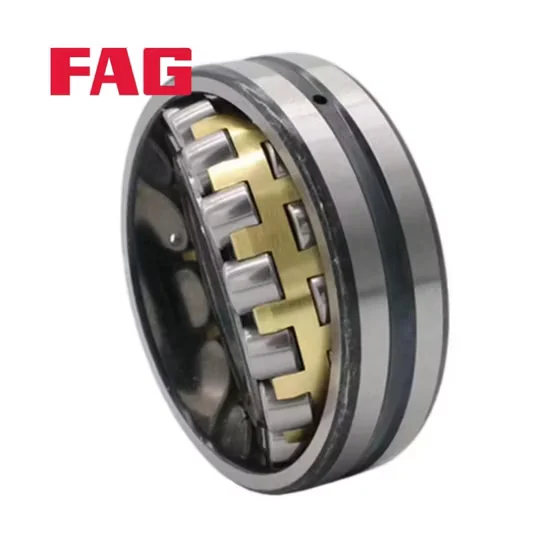
| Designation | FAG 24138-E1 |
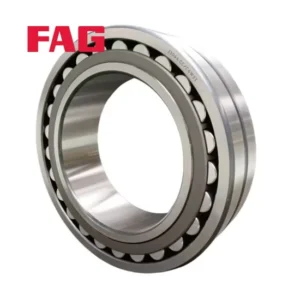
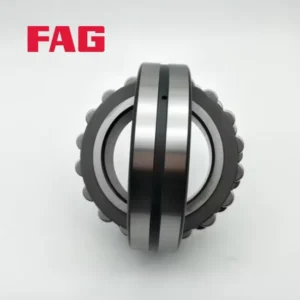
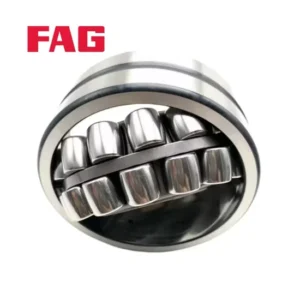
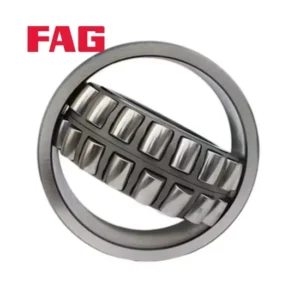
| Product Type | Spherical Roller Bearing |
| Arrangement | Double Row |
| Material | Chrome Steel Gcr15 |
| Cage Material | Steel Cage / Brass Cage / Nylon Cage |
| Precision Class | P0, P2, P4, P5, P6 |
| Clearance Class | C3 (when specified) |
| Bore Type | Cylindrical (Standard) / 1:12 Tapered (K suffix) |
| Lubrication Features | Groove and holes in outer ring (W33 suffix) |
| Origin | Jiangsu China |
Application Suitability
| Industry | Typical Applications |
|---|---|
| Mining & Aggregates | Vibrating screen exciter mechanisms and jaw crusher eccentric shafts |
| Metallurgy | Steel mill continuous casting roll segments and rolling mill guide rolls |
| Pulp & Paper | Paper machine dryer cylinder bearings and press section felt rolls |
Why Suffix Accuracy Dictates Survival for the FAG 24138-E1 spherical roller bearing in Steel Mills
A single clearance mismatch turns a premium component into a production-stopping liability.
I learned this the hard way early in my career when a misread clearance code on a shipment to a steel plant caused thermal expansion to lock up the entire continuous casting line. Heavy-duty environments do not forgive assumptions; specifying the correct internal geometry and clearance is the only way to prevent catastrophic seizure under extreme thermal loads. When dealing with massive radial forces and high ambient heat, the internal clearance must be precisely calculated to absorb the dimensional changes of both the shaft and the housing. A minor oversight in suffix interpretation does not just reduce lifespan; it triggers immediate mechanical failure, leading to extensive secondary damage and prolonged operational halts.
Matching the FAG 24138-E1 spherical roller bearing to High-Vibration Environments
When dealing with vibrating screens or primary jaw crushers, the equipment demands a component that continuously absorbs severe shock loads while accommodating significant shaft misalignment. Our extensive sourcing network ensures you receive the exact cage design and internal profile required to withstand these relentless oscillating forces. The double-row self-aligning structure is specifically engineered to handle the complex load vectors generated by heavy eccentric masses. By securing the precise variant from our consolidated inventory, we eliminate the guesswork from your maintenance planning and ensure the bearing can endure the punishing dynamic stresses inherent in aggregate processing and mining operations.
Overcoming Thermal and Contamination Extremes in Heavy Industry
In steel mill and paper machine applications, these components face a brutal combination of high radial loads, elevated ambient temperatures, and heavy particulate contamination. The thermal expansion of the shaft and housing strictly dictates the necessary internal clearance, while the presence of metallic scale or abrasive paper dust requires highly effective lubrication pathways to flush out debris before it embeds in the raceways. Selecting the right cage material and lubrication groove configuration is absolutely critical to maintaining a stable hydrodynamic film under these punishing operational parameters. Without the correct internal geometry and external lubrication features, the friction generated by contaminated grease will rapidly degrade the rolling elements, leading to unpredictable and costly breakdowns.
Decoding the Internal Geometry of the FAG 24138-E1 spherical roller bearing
The double-row arrangement provides the essential self-aligning capability required for compensating for housing deflections and shaft bending in heavy machinery. While the standard cylindrical bore is common for direct press fits, the 1:12 tapered bore option allows for precise internal clearance adjustment during mounting on adapter sleeves, which is vital for achieving the optimal preload. The W33 lubrication groove and holes in the outer ring ensure that fresh grease reaches the rolling elements directly, which is crucial for purging contaminants in extremely dusty environments. Furthermore, understanding the strict distinction between standard and C3 clearance is non-negotiable; the latter accommodates the significant thermal expansion typical in high-temperature zones like paper machine dryer cylinders. Selecting the appropriate cage material—whether steel, brass, or nylon—must always align with the specific vibration intensity and speed parameters of the application.
The Cascading Financial Impact of Incorrect Clearance Selection
Installing a standard clearance bearing in an application that strictly requires C3 leads to severe internal preload buildup as the machinery reaches its normal operating temperature. This excessive internal pressure results in extreme friction, rapid lubricant degradation, and ultimately, premature cage failure or catastrophic raceway spalling. Such unplanned downtime not only halts the entire production line but also triggers secondary mechanical damage to adjacent shafts, seals, and housings. The financial burden extends far beyond the cost of the replacement part, encompassing lost production revenue, emergency labor costs, and voided equipment warranties. Preventing these cascading failures requires rigorous technical verification before the component is ever installed.
Securing Traceability and Exact Suffix Matching
We eliminate the severe risk of receiving incorrect variants by cross-verifying every single suffix against the manufacturer's current engineering catalog before dispatch. For high-criticality applications in metallurgy and mining, we provide full batch traceability documentation, ensuring the metallurgical pedigree of your components is never in question. Our technical team actively reviews your specific operating parameters to confirm that the selected cage material and clearance class align perfectly with your unique thermal and load profiles. This proactive validation prevents the costly mismatches that frequently plague standard catalog orders, ensuring that the exact internal geometry required for your heavy-duty equipment is delivered to your site. We consolidate mixed-brand requirements, allowing you to source all your maintenance needs through a single, highly vetted supply channel.
Documentation & Authenticity
- Original manufacturer batch traceability certificates verifying the metallurgical origin of the Chrome Steel Gcr15 rings.
- Dimensional and running accuracy inspection reports confirming the specific P-class tolerance before final packaging.
- Official brand application QR codes for immediate anti-counterfeiting verification upon receipt at your facility.
- Material test certificates detailing the heat treatment and hardness profiles of the inner and outer rings.
Storage, Handling & Mounting
- Store the double-row units in their original vapor-phase inhibitor packaging to prevent corrosion on the exposed Chrome Steel Gcr15 raceways.
- When mounting the 1:12 tapered bore variants, strictly monitor the drive-up distance to achieve the correct residual internal clearance.
- Keep W33 grooved outer rings clean during handling to ensure the lubrication pathways remain entirely free of particulate contamination.
- Use induction heaters with automatic demagnetization for cylindrical bore installations to prevent thermal shock to the precision-ground rollers.
- Verify the C3 clearance feeler gauge measurements immediately after mounting to confirm the thermal expansion allowance is preserved.
Engineering Review for Your Specific Application
To ensure the selected configuration perfectly matches your exact operational demands, please provide the detailed radial and axial load profiles, operating speeds, and anticipated thermal gradients. Sharing the original OEM equipment model numbers allows our engineering team to perform a comprehensive cross-reference check and validate the L10 life calculation under your specific conditions. This in-depth technical review guarantees that the internal geometry, cage design, and clearance class are perfectly calibrated for your machinery. By supplying these critical operational parameters, you enable our specialists to identify potential failure modes and recommend the optimal variant, ensuring maximum reliability and extended service intervals for your most critical industrial assets.
Frequently Asked Questions
Q: How do I differentiate between standard and C3 clearance for heavy-duty applications?
A: Standard clearance suits normal temperature and load conditions, while C3 provides extra internal space to accommodate thermal expansion from the shaft and housing. In high-heat environments like steel mills, using standard clearance can lead to internal binding and seizure as the metal expands. Always verify the thermal profile of your application before finalizing the clearance class.
Q: What is the significance of the W33 suffix in dusty operating environments?
A: The W33 suffix indicates an annular* outer ring. This design allows fresh grease to be injected directly into the center of the bearing, effectively flushing out abrasive dust and wear particles. It is highly recommended for vibrating screens and crushers where particulate contamination severely threatens component longevity.
Q: How should I choose between steel, brass, and nylon cages for this bearing?
A: Steel cages offer high strength for heavy shock loads, while brass cages provide superior durability in high-vibration and high-speed applications due to their damping properties. Nylon cages are lighter and suitable for moderate conditions but have strict temperature limits. The choice depends entirely on your specific operational speed, vibration intensity, and ambient heat.
Q: How can I verify the authenticity of the received components?
A: Every shipment includes original batch traceability documentation and material certificates. You can also use the official brand mobile applications to scan the QR codes on the packaging for instant anti-counterfeiting verification. We strongly recommend cross-referencing the physical suffix markings on the outer ring against your purchase order to ensure exact compliance.
Q: What does the unverified E1 suffix mean for my replacement order?
A: Certain legacy or specialized suffixes require direct confirmation against the manufacturer's current engineering catalog to ensure compatibility. When replacing older equipment, we cross-reference the original OEM specifications with the latest design standards to guarantee that the internal geometry and load ratings meet your current operational requirements without compromising reliability.