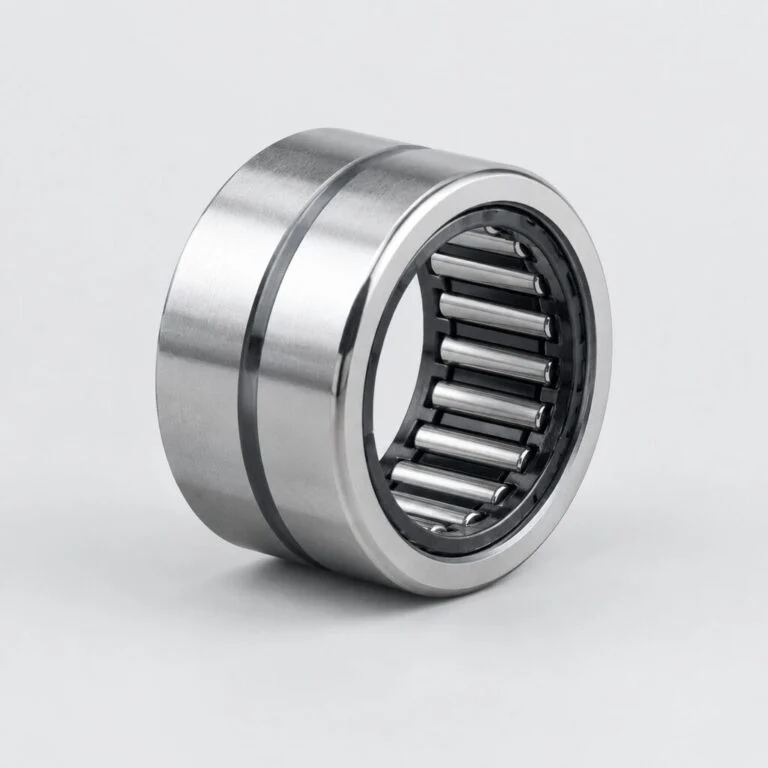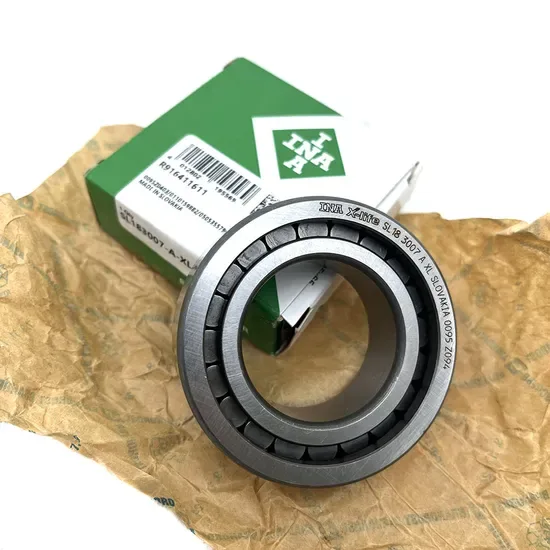
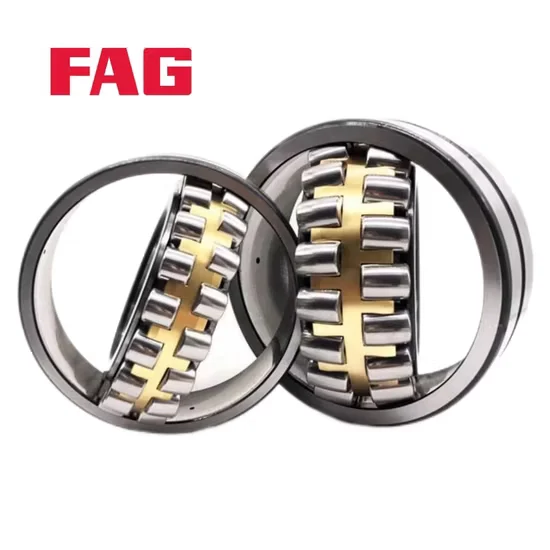
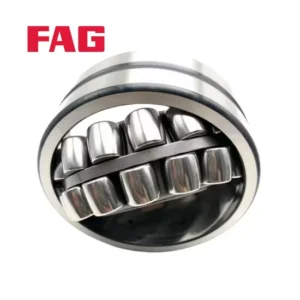
Product Details
About This INA Bearing
Cross-Reference Alignment — Verifying bore type, clearance class, and cage material against OEM specifications prevents catastrophic mismatch in heavy-duty installations.
Technical Specifications
| Parameter | Value |
|---|---|
| Designation | FAG 230 |
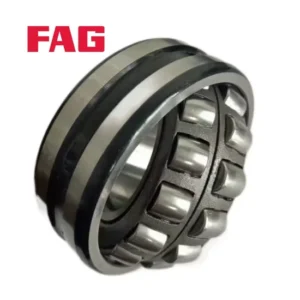
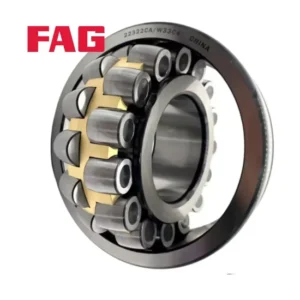
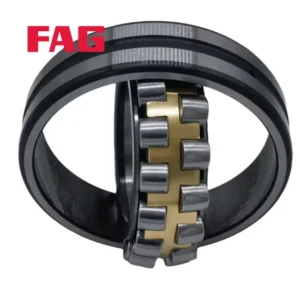
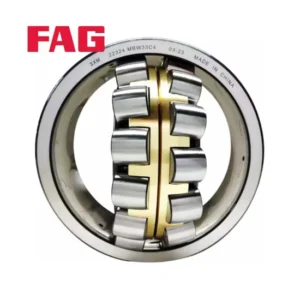
| Bearing Type | Spherical Roller Bearing |
| Arrangement | Double Row, Self-Aligning |
| Material | Chrome Steel Gcr15 |
| Cage Material | Steel Cage / Brass Cage / Nylon Cage |
| Precision Class | P0 / P2 / P4 / P5 / P6 |
| Bore Type | Cylindrical / 1:12 Tapered (K suffix) |
| Internal Design | Enhanced (E suffix) |
| Lubrication Features | Outer ring groove and holes (W33 suffix) |
| Origin | Jiangsu China |
Note: The 2RS suffix indicates contact seals; please verify specific seal availability for your exact size with the manufacturer's current catalog.
Application Suitability
| Industry | Typical Applications |
|---|---|
| Mining & Aggregates | Vibrating screens / Crushers |
| Pulp & Paper | Paper machines / Press rolls |
| Metallurgy | Steel mill equipment / Continuous casters |
Why Standard Clearance Fails the FAG 230 spherical roller bearing in Thermal Shock
Thermal expansion rapidly eliminates internal clearance, turning a standard fit into a seized assembly.
When heavy machinery operates under extreme heat, the inner ring expands faster than the housing. I witnessed a cement plant in Nigeria lose an entire production line because a standard clearance bearing was forced into a high-temperature crusher role against engineering advice. The resulting friction generated massive heat, leading to catastrophic seizure within hours. Selecting the correct internal clearance is not just a catalog exercise; it dictates whether the equipment survives the shift. Ignoring the thermal gradient between the shaft and the outer ring guarantees premature failure, especially in continuous casting or kiln applications where ambient heat is relentless.
Matching the FAG 230 spherical roller bearing to Heavy-Duty Demands
Aligning the internal geometry with the actual load profile ensures optimal performance and extended service intervals. Our engineering team cross-references your operational parameters to specify the exact cage design and clearance class required for the application. This targeted approach guarantees that the bearing handles severe radial loads while accommodating the shaft misalignment typical in vibrating screens, paper machines, and steel mill conveyors. By analyzing the specific vibration frequencies and shock load magnitudes, we prevent the common mistake of over-specifying or under-specifying the internal structural reinforcements.
Managing Load Shocks and Contamination in Harsh Environments
Heavy equipment faces relentless combined loads and severe shock impacts that continuously challenge standard bearing limits. Elevated operating temperatures drastically alter lubrication viscosity, demanding careful clearance selection to prevent internal binding and subsequent cage destruction. Furthermore, abrasive dust from crushing operations requires continuous external lubrication flushing to protect the rolling elements from micro-pitting. Proper installation practices, especially for tapered bore variants, are absolutely critical to achieving the correct residual clearance once the assembly reaches its operating temperature. Neglecting the environmental contamination factor often leads to lubricant degradation, accelerating wear far beyond normal fatigue limits.
Decoding Suffixes for Optimal Internal Geometry
The enhanced internal design, indicated by the E suffix, maximizes load-carrying capacity by optimizing the roller profile and cage pocket geometry. For applications requiring frequent dismounting or precise clearance adjustment during installation, the 1:12 tapered bore (K suffix) provides essential mounting flexibility on adapter sleeves. The W33 feature ensures lubricant reaches the critical contact zones through outer ring grooves and holes, extending service life in poorly accessible machinery where manual re-lubrication is difficult. Selecting between steel, brass, or nylon cages depends entirely on the specific vibration levels, operating temperatures, and centrifugal forces present in the application. Understanding these suffix variations prevents costly mismatches during emergency maintenance replacements.
The Cascading Impact of Incorrect Clearance Selection
Specifying a standard clearance for a high-thermal application inevitably leads to unplanned downtime and premature failure. As the shaft expands under load and heat, the internal clearance vanishes, causing excessive friction and rapid temperature spikes. This catastrophic damage often destroys the housing, shaft, and adjacent components, resulting in warranty voidance and massive replacement costs. Adhering to failure analysis frameworks highlights that thermal seizure is entirely preventable with correct initial specification and proper mounting procedures. The financial impact extends far beyond the bearing itself, encompassing lost production hours and heavy crane mobilization for emergency repairs.
Securing Genuine Components for Critical Infrastructure
Sourcing authentic bearings eliminates the severe risk of counterfeit materials failing unpredictably under peak operational loads. We provide complete batch traceability, ensuring every single unit matches the original manufacturer's strict metallurgical and dimensional standards. Our massive spot inventory covers thousands of part numbers, allowing rapid dispatch for urgent maintenance requirements that cannot wait for standard lead times. Technical selection support helps you evaluate complex cross-brand equivalents without compromising the required clearance, cage specifications, or precision class. Furthermore, global shipping consolidation ensures your mixed-brand project orders arrive precisely when needed, backed by long-term after-sales technical support for failure analysis.
Documentation & Authenticity
- Original manufacturer batch traceability confirming metallurgical origin
- Official app QR verification for immediate authenticity validation
- Material inspection reports validating chrome steel composition
- Dimensional and running accuracy inspection confirming specified precision class
- Certificate of Conformity matching the exact suffix configuration
Storage, Handling & Mounting
- Keep the original packaging sealed until mounting to preserve the factory anti-corrosion coating on the chrome steel rings.
- Use induction heating for cylindrical bore variants, strictly controlling temperature to protect the cage material.
- For 1:12 tapered bore (K suffix) models, measure the drive-up distance carefully to achieve the exact residual clearance.
- Ensure the W33 lubrication grooves align perfectly with the housing oil supply ports during installation.
- Store in a climate-controlled environment to prevent condensation from compromising the precision class tolerances.
Providing the Right Data for Technical Validation
To ensure precise model selection and avoid catastrophic misapplications, please share your specific radial and axial load calculations, operating speeds, and detailed thermal profiles. Providing the exact OEM equipment number allows our engineering team to perform a thorough cross-reference check against original factory specifications. Detailing the installation space constraints and environmental exposure helps us recommend the optimal cage material, sealing arrangement, and clearance class for your unique application. This collaborative technical review ensures the selected component integrates flawlessly into your existing machinery architecture.
Frequently Asked Questions
Q: How do I verify the authenticity of the received bearings?
A: You can scan the QR code on the packaging using the manufacturer's official application to instantly verify the batch origin. We also supply original traceability documents and material certificates. This dual-verification process ensures you receive genuine components capable of handling heavy-duty industrial loads without unexpected material fatigue.
Q: What is the difference between standard and enhanced internal designs?
A: The enhanced design features optimized roller profiles and improved cage guidance, significantly increasing the dynamic load rating. This geometry distributes stress more evenly across the rolling elements, making it highly suitable for vibrating screens and crushers where shock loads are constant and severe.
Q: How should I choose between steel, brass, and nylon cages?
A: Brass cages offer superior durability in high-vibration and high-temperature environments, while steel cages provide a cost-effective solution for standard conditions. Nylon cages reduce weight and friction but are limited by thermal thresholds. The choice depends entirely on your specific operational speed and heat generation.
Q: What are the mounting precautions for tapered bore bearings?
A: When mounting a tapered bore bearing, it is crucial to measure the drive-up distance or the reduction in internal clearance. Over-tightening will eliminate the necessary operational clearance, leading to thermal seizure, while under-tightening causes excessive shaft play and premature wear.