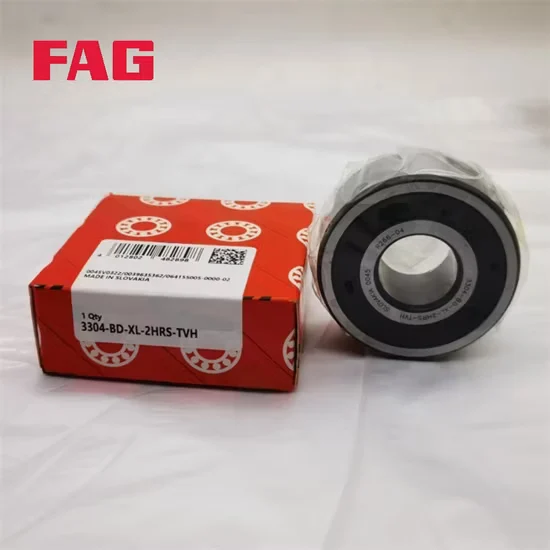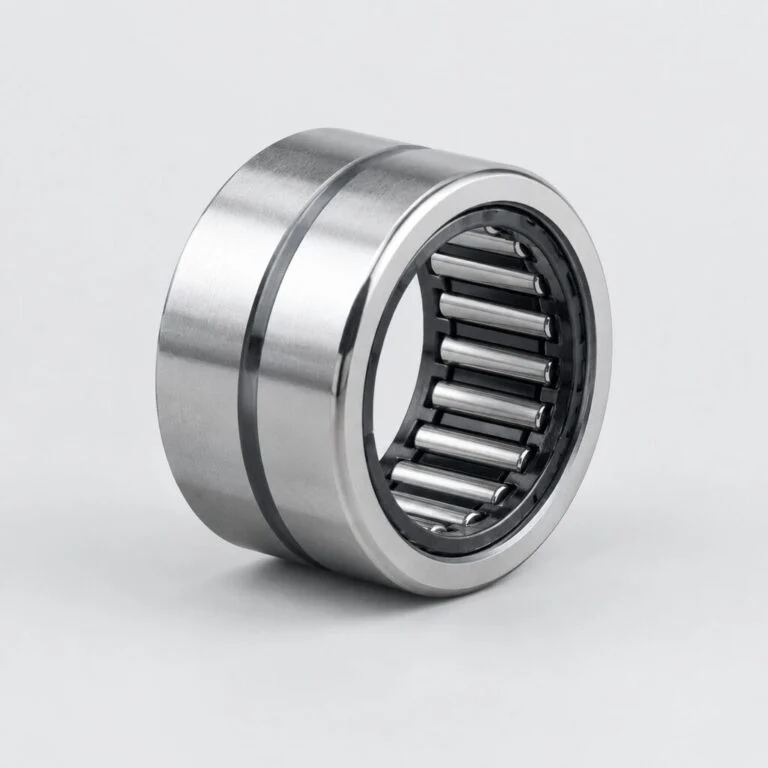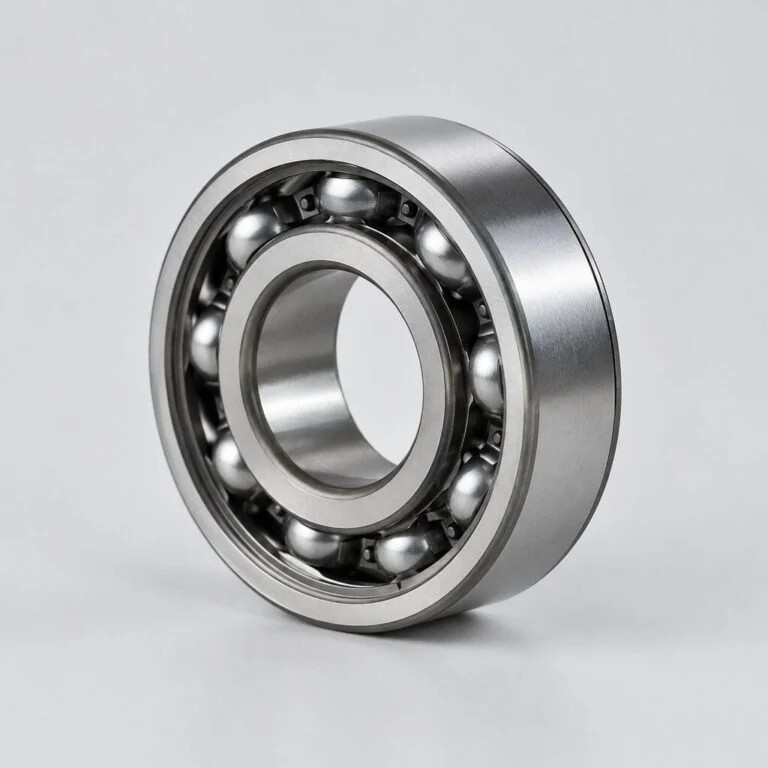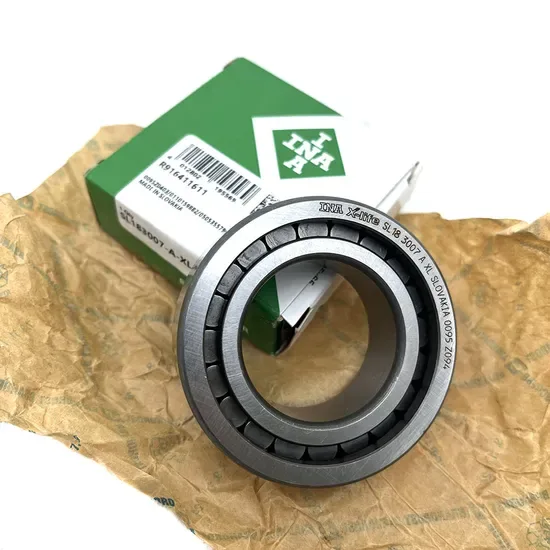
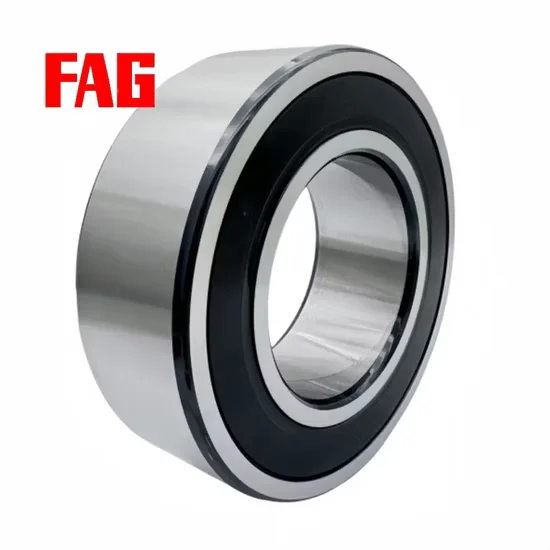


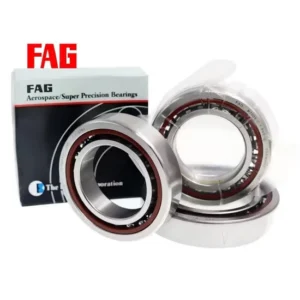

Product Details
About This INA Bearing
Original Batch Traceability — Every FAG B71919-C-T-P4s-UL angular contact ball bearing ships with factory lot documentation linking directly to the manufacturer's production records.
Technical Specifications
| Parameter | Value |
|---|---|
| Designation | B71919-C-T-P4s-UL FAG |
| Bearing Type | Angular Contact Ball Bearing |
| Precision Class | P4s (ISO) |
| Contact Angle | 15° |
| Material | High-quality bearing steel |
| Origin | Jiangsu China |
Note: Suffixes B, T, P4s, and UL require manufacturer catalog confirmation for exact technical definitions beyond the standard 15° contact angle denoted by C.
Application Suitability
| Industry | Typical Applications |
|---|---|
| Machine Tool Manufacturing | High-speed CNC machining center spindles |
| Precision Engineering | High-speed pump rotors and robotic joint actuators |
Why Standard Tolerances Destroy Spindles Before the FAG B71919-C-T-P4s-UL angular contact ball bearing Reaches Operating Temperature
Precision mismatch causes thermal seizure long before mechanical fatigue sets in.
I once watched a perfectly machined CNC spindle overheat and lock up within minutes of startup. The assembly team had forced standard P0 tolerance bearings into a high-speed setup without calculating the necessary preload adjustments or verifying the housing fits. When rotational speeds climb, microscopic dimensional deviations generate excessive friction heat, expanding the inner ring until the internal clearance vanishes entirely. The resulting metal-to-metal contact scores the raceways and destroys the shaft. Sourcing the correct FAG B71919-C-T-P4s-UL angular contact ball bearing prevents this catastrophic thermal binding by ensuring tight ISO dimensional tolerances and precise running accuracy from the very first rotation.
Matching Spindle Dynamics with Precision Geometry
High-speed cutting demands extreme rotational accuracy to maintain surface finish quality, minimize tool wear, and extend overall machine uptime. The FAG B71919-C-T-P4s-UL angular contact ball bearing delivers the tight running accuracy required for these demanding CNC environments, effectively suppressing the micro-vibrations that cause chatter marks on machined parts. Our engineering team cross-references your specific spindle housing tolerances and shaft dimensions to ensure the selected precision class integrates flawlessly. By validating the geometric alignment before assembly, we eliminate the harmonic resonances that ruin expensive workpieces and accelerate tool degradation.
Managing Thermal and Centrifugal Loads at High RPM
Spindle bearings face a brutal combination of centrifugal forces pushing the rolling elements outward and thermal gradients altering the raceway geometry. At elevated rotational speeds, the 15° contact angle optimizes the load distribution to minimize friction heat generation while maintaining the axial rigidity needed for heavy cutting passes. Proper lubrication becomes absolutely critical in this environment; oil-air or oil-mist systems must deliver precise, metered volumes to cool the raceways without causing churning losses. Furthermore, the cage design must withstand immense centrifugal stress without deforming, while the bearing seals or shields must prevent coolant contamination without introducing excessive friction drag.
Decoding the Engineering Behind the Suffixes
The 15° contact angle, indicated by the C suffix, strikes a vital balance for spindle applications, offering high axial stiffness while keeping friction low enough for extreme RPMs. The P4s precision class guarantees that the bore, outside diameter, and running accuracy fall within the strict ISO 492 limits necessary for ultra-precise machining operations. Furthermore, the bearing material undergoes specialized heat treatment to achieve the high core hardness required to resist spalling under continuous cyclic loading. The cage material is specifically selected to guide the rolling elements smoothly, reducing sliding friction and ensuring stable operation even when the spindle undergoes rapid acceleration and deceleration cycles. This combination of precise geometry and advanced metallurgy ensures the raceways maintain their integrity over extended operating periods.
The Financial Impact of Spindle Downtime
Installing an incorrectly specified bearing into a CNC spindle rarely results in a simple, cheap replacement procedure. Premature failure often destroys the precision-ground spindle shaft, the machined housing, and the attached tooling, leading to massive unplanned downtime and scrapped production batches. According to failure mode classifications outlined in ISO 15243, improper preload, incorrect clearance, or precision mismatch rapidly accelerates surface fatigue, smearing, and abrasive wear. The true cost of the wrong choice easily dwarfs the initial savings of buying a cheaper, lower-precision alternative, especially when factoring in the lost revenue from halted production lines and emergency repair labor.
Securing Authentic Precision Without the Direct Channel Markup
Procuring genuine spindle bearings requires careful sourcing in a market flooded with counterfeit, relabeled, or improperly stored parts. We source the FAG B71919-C-T-P4s-UL angular contact ball bearing directly through authorized channels, providing complete batch traceability that protects your equipment warranty. Our technical team actively verifies the preload matching, clearance specifications, and suffix configurations before dispatch, ensuring you receive exactly what your spindle design requires without the risk of mismatched components. This rigorous validation process, combined with our flexible consolidation shipping and competitive sourcing costs, delivers factory-direct authenticity and reliable technical support without the premium markup typically associated with direct official brand channels.
Documentation & Authenticity
- Factory lot traceability documents linking the bearing batch to the original production run.
- Dimensional inspection reports confirming P4s bore and outside diameter tolerances.
- Running accuracy certificates verifying axial and radial runout limits before dispatch.
- Official manufacturer QR codes for instant digital authenticity verification.
- Material test reports validating the chemical composition of the bearing steel.
Storage, Handling & Mounting
- Keep the factory packaging sealed until mounting to protect the P4s precision raceways from ambient humidity.
- Use clean, lint-free gloves when handling to prevent microscopic skin oils from corroding the high-speed cage.
- Follow the manufacturer's strict mounting sequence to preserve the UL preload arrangement and matching marks.
- Store flat in a temperature-controlled environment to prevent gravitational deformation of the thin-section rings.
- Apply the specified spindle oil immediately after unsealing to prevent dry-start scoring during initial run-in.
Engineering Data Required for Technical Validation
To ensure optimal spindle integration and maximize operational lifespan, please provide your specific radial and axial load profiles, maximum operating RPM, and target operating temperature range. Sharing the OEM spindle model number or the original equipment manufacturer's part number allows our application engineers to perform a comprehensive cross-reference check and calculate the expected L10 life. This detailed technical review guarantees the selected configuration perfectly aligns with your machine's dynamic requirements, preventing costly installation errors and ensuring long-term reliability.
Frequently Asked Questions
Q: How do I verify the authenticity of the FAG B71919-C-T-P4s-UL angular contact ball bearing?
A: Every unit we supply includes original factory batch documentation and an official manufacturer QR code. You can scan this code using the brand's official mobile application to instantly verify the production date, origin, and authenticity. We also provide third-party dimensional inspection reports confirming the P4s tolerances upon request.
Q: What does the 15° contact angle mean for my CNC spindle application?
A: The 15° contact angle, designated by the C suffix, provides an optimal balance between axial rigidity and high-speed capability. It generates less friction heat than larger contact angles, making it ideal for high-RPM machining centers where thermal expansion must be strictly controlled to maintain tight machining tolerances.
Q: How should I handle the preload matching marks during installation?
A: Spindle bearings with specific preload arrangements must be installed exactly as marked by the manufacturer. Misaligning the V-marks or mixing up the matched set will destroy the intended internal clearance, leading to excessive heat generation, severe vibration, and rapid premature failure of the entire spindle assembly.
Q: Can I use standard grease for lubricating this high-speed spindle bearing?
A: Standard greases will churn and overheat at the extreme RPMs typical of CNC spindles. These applications require specialized high-speed spindle oils or precisely metered oil-air lubrication systems. Using the wrong lubricant drastically increases friction, causing thermal seizure and voiding any manufacturer warranty associated with the precision bearing.