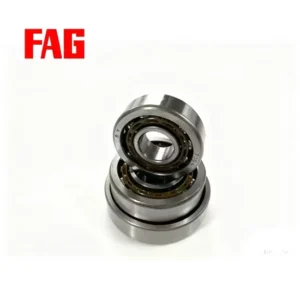
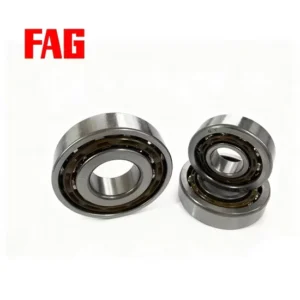
Product Details
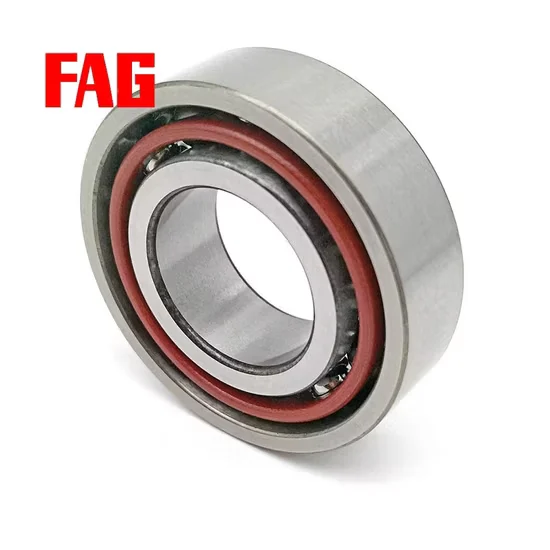
About This INA Bearing
Unified Sourcing Network — Consolidate mixed-brand spindle bearing orders into a single shipment without juggling multiple vendor lead times.
Technical Specifications
| Parameter | Value |
|---|---|
| Designation | B71901-C-T-P4s-UL FAG |
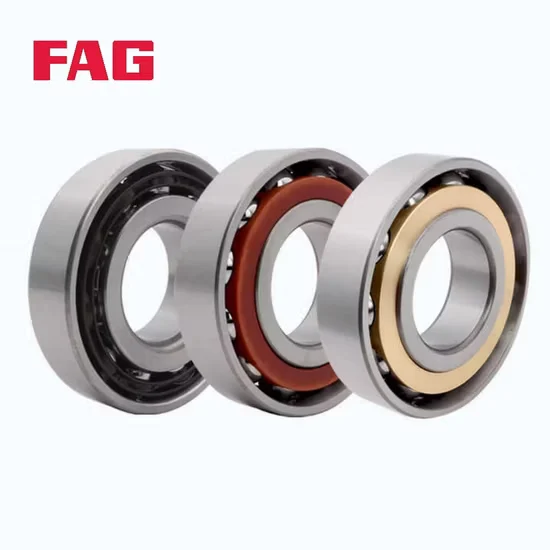
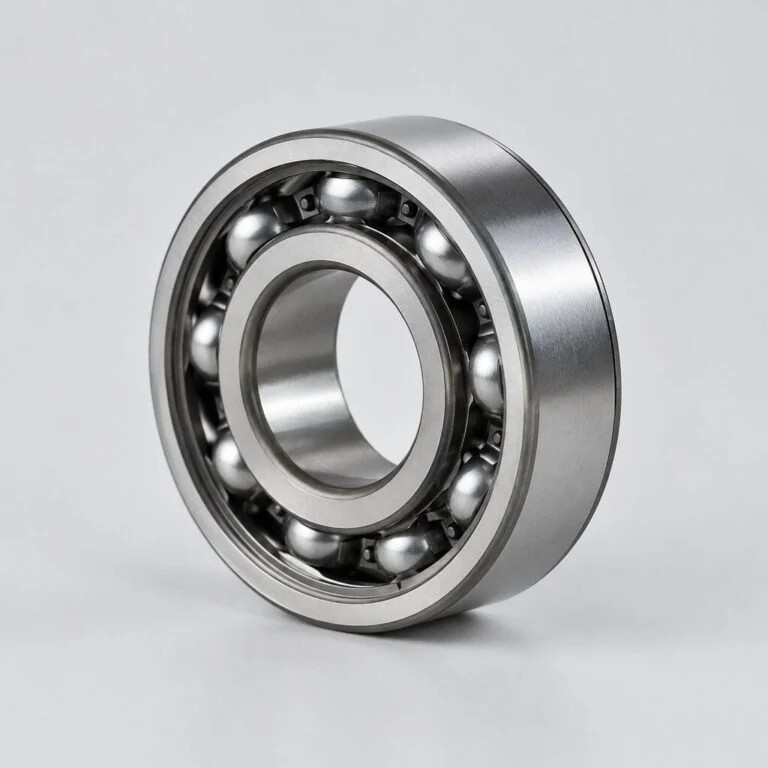
| Bearing Type | Angular Contact Ball Bearing |
| Precision Class | P4s |
| Contact Angle | 15° |
| Material | Steel |
| Arrangement | Single-Row |
| Origin | Jiangsu China |
Note: Suffixes T and UL require manufacturer catalog confirmation for specific cage and preload definitions.
Application Suitability
| Industry | Typical Applications |
|---|---|
| Machine Tool Manufacturing | High-speed CNC milling and grinding spindle assemblies |
| Precision Engineering | High-speed pumps and robotic joint actuators |
Why Standard Tolerances Destroy High-Speed Spindles Before the FAG B71901-C-T-P4s-UL angular contact ball bearing Even Reaches Operating Temperature
Precision mismatch causes thermal runaway long before mechanical fatigue sets in.
I once watched a Nigerian machining plant grind to a complete halt because a maintenance crew forced standard P0 bearings into a high-speed spindle. The vibration spiked immediately, destroying the tooling and ruining the workpiece. When dealing with tight spindle tolerances, assuming a generic replacement will suffice is a critical error that compromises the entire production line. The FAG B71901-C-T-P4s-UL angular contact ball bearing eliminates this guesswork by maintaining strict dimensional stability under extreme rotational forces.
Matching Spindle Dynamics with Exact Tolerance Bands
High-speed milling demands absolute rotational accuracy to prevent chatter marks on finished surfaces. The FAG B71901-C-T-P4s-UL angular contact ball bearing provides the necessary rigidity through its 15° contact angle, optimizing the load distribution across the raceway. Our engineering team cross-references these specific tolerance bands against your OEM spindle blueprints to ensure smooth integration without manual shimming.
Navigating Thermal Growth and Lubrication Starvation in Milling Operations
Spindle environments generate intense friction heat, which alters internal clearance and compromises machining accuracy. A 15° contact angle helps manage the combined axial and radial loads typical in milling operations, but lubrication breakdown remains a constant threat. If the grease degrades or oil mist fails to penetrate the cage, localized welding occurs rapidly on the raceways. Proper sealing and precise preload selection are mandatory to survive these extreme thermal gradients and maintain consistent cutting tolerances throughout the shift.
Decoding the P4s Precision and Contact Angle Geometry
The P4s precision class dictates exceptionally tight tolerances for both dimensional accuracy and running precision, which is non-negotiable for minimizing spindle runout. The C suffix confirms a 15° contact angle, striking the optimal balance between axial thrust capacity and high-speed rotational stability. The single-row construction provides structural rigidity, and while this configuration uses standard steel, the series is available in ceramic or stainless steel variants for specialized environments. Ignoring these geometric relationships leads to uneven load sharing and accelerated wear.
The Cascading Financial Impact of Tolerance Stack-Up
Installing a bearing with incorrect internal clearance or mismatched precision leads to premature failure and catastrophic damage to the spindle housing. According to ISO 15243 frameworks, improper preload application accelerates surface fatigue and raceway spalling. This unplanned downtime not only halts production but also voids equipment warranties, turning a minor component swap into a massive capital expenditure that delays delivery schedules and damages client trust.
Securing Traceable Spindle Components Without the Direct Channel Premium
Sourcing genuine precision bearings often involves dealing with rigid minimum order quantities and extended lead times from official channels. We maintain massive spot inventory for critical spindle models, allowing flexible single-unit emergency orders or full container consolidation. Every FAG B71901-C-T-P4s-UL angular contact ball bearing we dispatch includes complete batch traceability documentation. Our technical team also provides cross-brand equivalent model consultation if your primary OEM part is backordered, ensuring your maintenance schedule never stalls due to supply chain bottlenecks.
Documentation & Authenticity
- Original factory batch traceability documents linking the P4s precision certificate to the specific production run.
- Official app QR code verification confirming the genuine FAG origin before the package is opened.
- Dimensional and running accuracy inspection reports validating the 15° contact angle and P4s tolerances.
- Certificate of Conformity detailing the steel material composition and heat treatment compliance.
Storage, Handling & Mounting
- Keep the single-row bearing in its original vacuum-sealed packaging until mounting to prevent humidity from compromising the P4s raceway finish.
- Use clean, lint-free gloves when handling the steel components to avoid acidic skin oils causing microscopic corrosion on the 15° contact surfaces.
- Verify the spindle housing bore dimensions with calibrated gauges before pressing the bearing to avoid distorting the P4s precision rings.
- Apply the specified high-speed spindle grease evenly, ensuring the 15° contact angle channels are fully coated without overpacking.
Preparing Your Spindle Parameters for Technical Review
To ensure precise model validation, please share your spindle's maximum operating speed, radial and axial load profiles, and target operating temperature. Providing the original equipment manufacturer part number allows our engineers to perform a thorough cross-reference check. This data enables us to confirm the optimal preload arrangement and lubrication strategy for your specific machining environment.
Frequently Asked Questions
Q: How does P4s precision compare to standard P4 in spindle applications?
A: The P4s class enforces stricter running accuracy and dimensional tolerances than standard P4, specifically targeting the extreme rotational stability required in high-speed machine tool spindles. This tighter control minimizes vibration and thermal generation, ensuring superior surface finish on machined parts and extending the operational life of the spindle assembly under continuous heavy cutting loads.
Q: What are the cross-reference rules when substituting spindle bearings?
A: When substituting models, you must align the contact angle, precision class, and internal clearance or preload state exactly. Swapping a 15° contact angle for a 25° variant alters the axial rigidity and thermal growth characteristics. Our engineering team verifies these three critical parameters against your OEM specifications to prevent mismatched load distribution and premature spindle failure.
Q: How to verify the authenticity of FAG spindle bearings?
A: Authenticity is confirmed by scanning the official manufacturer QR code on the packaging using their verified mobile application. Additionally, we provide original factory batch traceability documentation and dimensional inspection reports that match the specific serial number. This multi-layered verification ensures the bearing meets the exact P4s precision standards required for critical spindle applications.
Q: What selection boundaries apply to cage materials in high-speed spindles?
A: High-speed spindle cages must balance lightweight construction with extreme rigidity to minimize centrifugal forces and friction heat. While standard stamped steel cages suffice for moderate speeds, precision spindles often require advanced polyamide or machined brass cages depending on the exact rotational velocity and lubrication method. The cage material must be compatible with the specified high-speed grease or oil mist system.