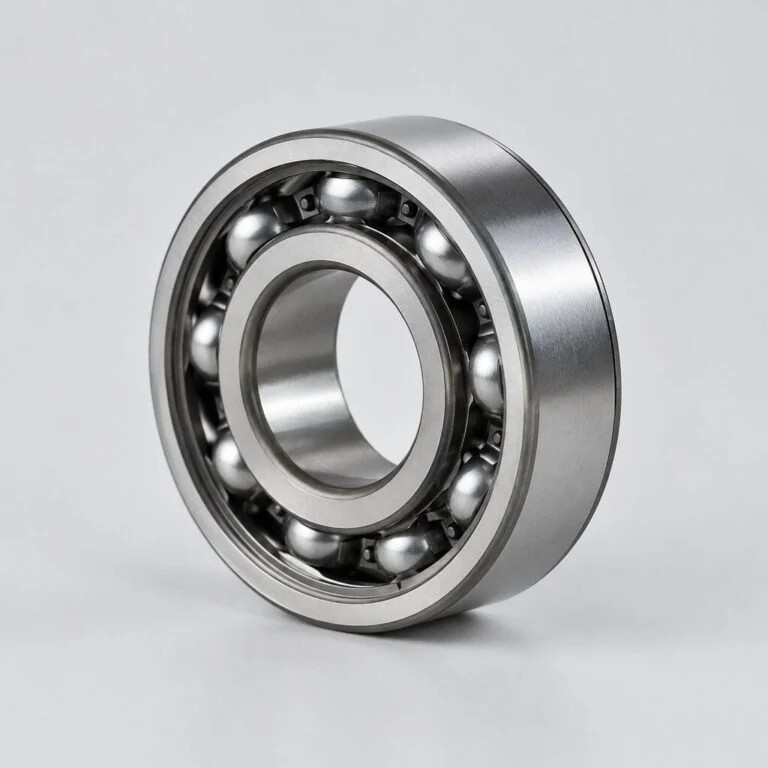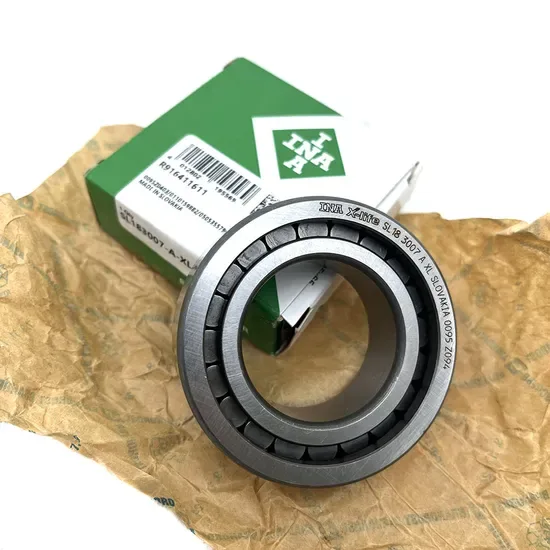
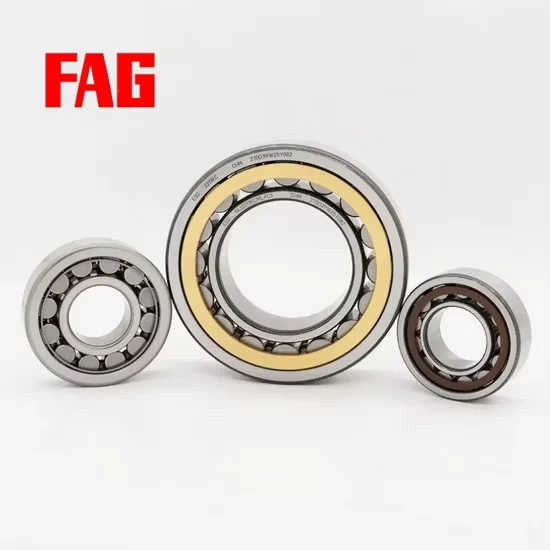

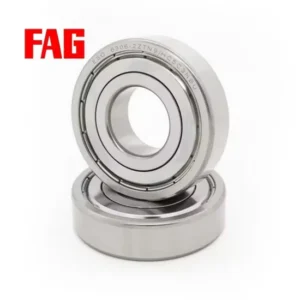

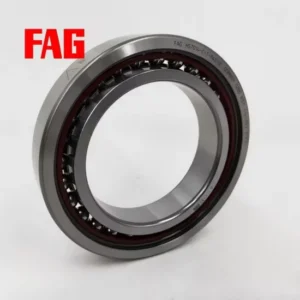
Product Details
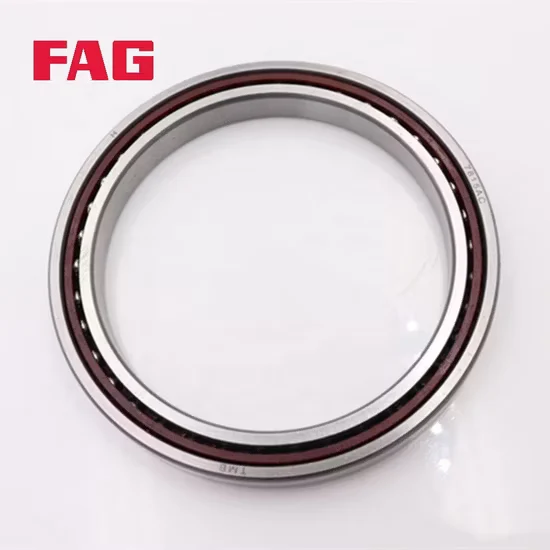
About This INA Bearing
Cross-Reference Alignment — We verify dimensional, precision, and load equivalencies across global catalogs to ensure exact fitment.
Technical Specifications
| Parameter | Value |
|---|---|
| Designation | B71901-C-T-P4s-Dul |
| Bearing Type | Angular Contact Ball Bearing |
| Bore Diameter (d) | 12 mm |
| Outside Diameter (D) | 24 mm |
| Width (B) | 6 mm |
| Contact Angle | 15° |
| Precision Class | P4s |
| Arrangement | Single-Row Bearing |
| Material | Steel |
| Origin | Jiangsu China |
Application Suitability
| Industry | Typical Applications |
|---|---|
| Laboratory Equipment | High-speed centrifuge spindles, precision microscope stages |
| Machine Tools | High-frequency grinding spindle noses, precision lathe headstocks |
| Robotics | Lightweight robotic arm joint actuators, high-speed end-effectors |
Why Laboratory Spindles Overheat with Standard Bearings
Precision alignment dictates thermal stability in high-speed instruments.
When I was doing after-sales service in Nigeria, a laboratory instrument spindle kept overheating and vibrating excessively. The root cause was the installation of a standard angular contact bearing with incorrect preload pairing. Using a genuine FAG B71901-C-T-P4s-Dul angular contact ball bearing prevents these thermal runaway issues by ensuring exact dimensional tolerances and proper internal geometry. Standard bearings simply cannot handle the rigorous demands of sensitive analytical equipment. The microscopic deviations in standard grades cause uneven load distribution, leading to rapid temperature spikes. This thermal expansion alters the internal clearance, ultimately resulting in catastrophic spindle failure. Sourcing fully traceable components is the only way to safeguard your precision machine tools and laboratory instruments from premature failure.
Matching High-Speed Instrument Demands
Laboratory instruments demand exceptional running accuracy to prevent sample contamination from vibration. The FAG B71901-C-T-P4s-Dul angular contact ball bearing delivers the necessary rigidity for sensitive optical and analytical equipment. Our engineering team cross-checks these specific spindle requirements against global brand equivalents to guarantee optimal performance. High-frequency grinding spindle noses and precision microscope stages rely on this exact level of dimensional stability. Any micro-vibration translates directly into measurement errors or poor surface finishes in machining operations. We ensure that every unit supplied meets the stringent operational demands of modern precision engineering environments.
Managing Thermal and Load Challenges
High-speed spindles generate significant friction heat, which alters internal clearance and compromises accuracy. A 15° contact angle minimizes friction compared to higher-angle variants, making it ideal for these high-RPM environments. Proper lubrication and precise mounting are critical to avoid uneven load distribution. Furthermore, any misalignment during installation will instantly degrade the running accuracy of single-row arrangements. The combination of radial and axial loads in spindle applications requires a bearing that can maintain its geometric integrity under stress. Temperature fluctuations in the laboratory environment also necessitate careful consideration of the initial internal clearance to prevent binding during thermal expansion.
Decoding the 15° Contact Angle Advantage
The C suffix in this designation confirms a 15° contact angle, which is specifically engineered for high-speed, light-load applications like laboratory spindles. This geometry reduces the sliding friction between the rolling elements and raceways, thereby generating less heat than 25° or 40° alternatives. Lower heat generation preserves the precision class and prevents premature lubricant degradation. The single-row steel construction provides the fundamental structural rigidity required for precision equipment. Maintaining this specific contact angle ensures the spindle operates within its designed thermal envelope. The material selection offers excellent resistance to the operational stresses encountered in continuous-duty analytical instruments. By optimizing the contact geometry, the bearing effectively minimizes the gyroscopic sliding that typically plagues high-speed angular contact designs.
The Hidden Costs of Incorrect Spindle Bearings
Selecting an improper bearing for a laboratory spindle leads to unplanned downtime and catastrophic damage to expensive optical components. Premature failure often stems from ignoring the strict tolerance requirements of precision instruments. According to ISO 15243 frameworks, incorrect internal geometry directly accelerates fatigue and surface distress. Replacing a failed spindle assembly costs significantly more than sourcing the correct component initially. The collateral damage to adjacent shafts and housings can extend the repair timeline by several weeks. Furthermore, the loss of experimental data or ruined workpieces due to spindle vibration represents an unacceptable financial risk for research facilities and precision manufacturing shops.
Sourcing Precision with Verified Traceability
We supply genuine FAG B71901-C-T-P4s-Dul angular contact ball bearing units with complete traceability documentation, ensuring you receive exact factory specifications. Our massive spot inventory covers thousands of standard and special part numbers, eliminating typical multi-week lead times for urgent maintenance. We provide cross-brand equivalent model consultation if you need to cross-reference to SKF, FAG and NSK equivalents for legacy equipment. Every shipment includes rigorous dimensional verification to confirm the tight tolerances required for laboratory applications. Our technical support team assists with failure analysis to prevent recurring spindle issues. We understand that procurement engineers need reliable partners who can deliver mixed-brand, mixed-size bearing packages without compromising on authenticity or technical accuracy.
Documentation & Authenticity
- Certificate of Conformity verifying the exact production batch for this specific spindle bearing.
- Official app QR code scanning to authenticate the original factory packaging and traceability.
- Dimensional and running accuracy inspection reports confirming tight tolerances before dispatch.
- Material certification detailing the specific steel grade used for the inner and outer rings.
Storage, Handling & Mounting
- Store the single-row bearing in its original sealed packaging to prevent moisture ingress and raceway corrosion.
- Use clean, lint-free gloves during handling to avoid transferring skin oils to the precision steel surfaces.
- Employ induction heating for the inner ring mounting to preserve the 15° contact angle geometry without mechanical stress.
- Verify the exact shaft and housing tolerances match the precision class requirements before assembly.
- Apply the specified high-speed spindle grease in a clean environment to prevent particulate contamination.
Technical Review for Spindle Integration
To ensure optimal integration, please provide your specific radial and axial load profiles alongside the maximum operating speed. Sharing the exact OEM equipment model number allows our engineering team to perform a comprehensive cross-reference check. We also require details on the operating temperature range and available installation space to validate the selected configuration. This technical review guarantees the FAG B71901-C-T-P4s-Dul angular contact ball bearing meets your precise laboratory instrument requirements. Providing information about the lubrication method and sealing environment helps us confirm the suitability of the open or sealed variants for your specific application. Our goal is to deliver a fully validated sourcing solution that eliminates guesswork from your maintenance planning.
Frequently Asked Questions
Q: How do we verify the authenticity of this spindle bearing?
A: You can verify authenticity by scanning the official QR code on the factory packaging using the manufacturer's official app. We also provide complete traceability documentation, including a Certificate of Conformity and dimensional inspection reports. This ensures the bearing meets the strict precision requirements for laboratory instruments and guarantees original factory quality.
Q: What does the 15° contact angle mean for high-speed spindles?
A: A 15° contact angle, indicated by the C suffix, is optimized for high-speed and light-load applications. It generates less friction heat compared to higher contact angles, which is critical for preventing thermal expansion in laboratory instrument spindles. This geometry ensures stable running accuracy and extends the operational life of precision equipment under high RPM conditions.
Q: How should we handle unverified suffixes in the designation?
A: Suffixes like T, P4s, and Dul in this specific designation require manufacturer catalog confirmation to determine their exact technical meaning. We recommend consulting our technical support team to cross-check these suffixes against the official FAG catalog. This ensures the bearing's exact configuration strictly matches your OEM equipment requirements before installation.
Q: What mounting tools are required for single-row spindle bearings?
A: Installing single-row spindle bearings requires precise alignment tools and induction heaters to mount the inner ring without mechanical stress. You must also use calibrated torque wrenches to apply the correct preload during assembly. Proper mounting tools prevent raceway deformation and ensure the bearing achieves its designed running accuracy in high-speed laboratory applications.