

Product Details
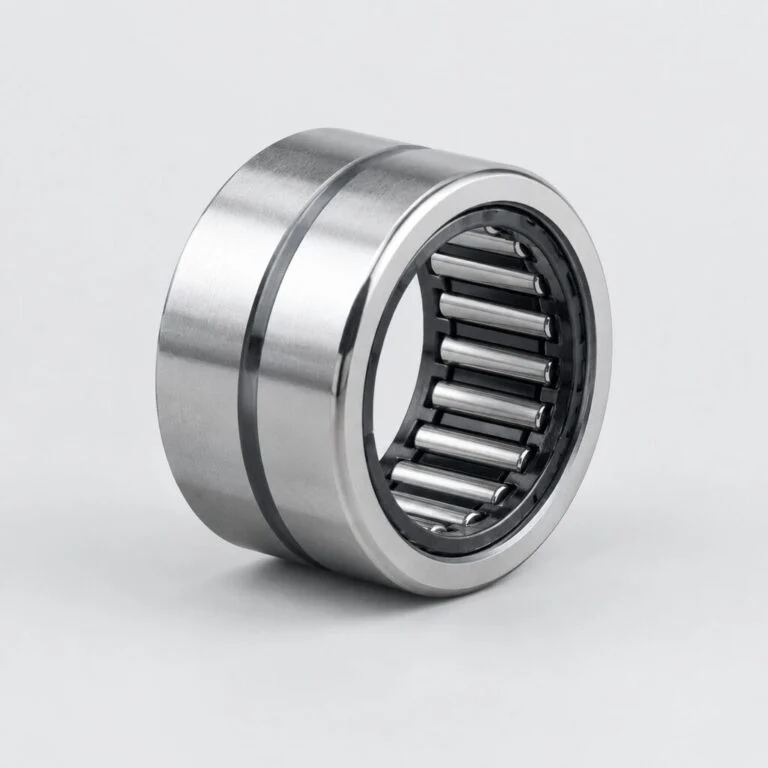
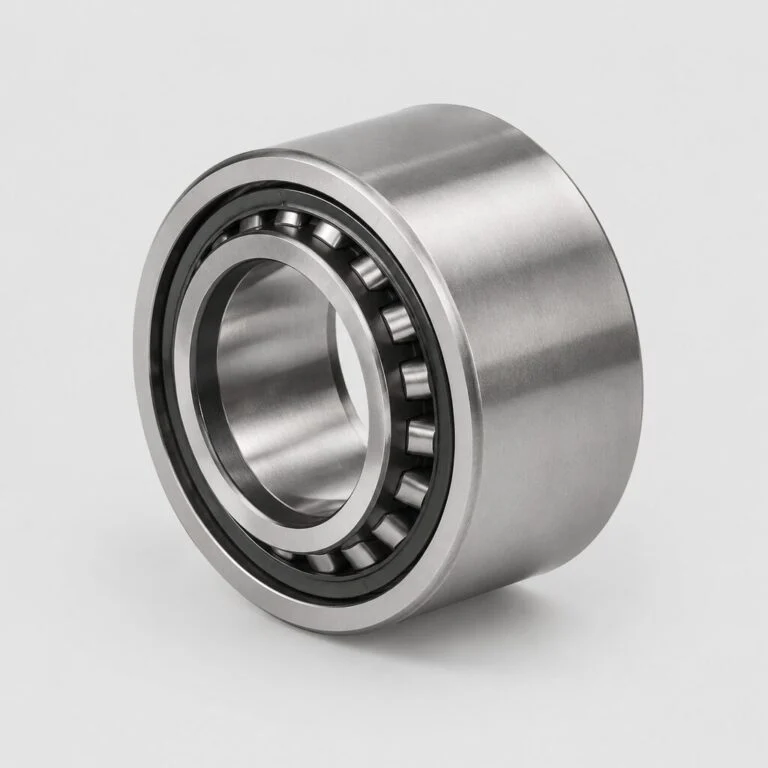
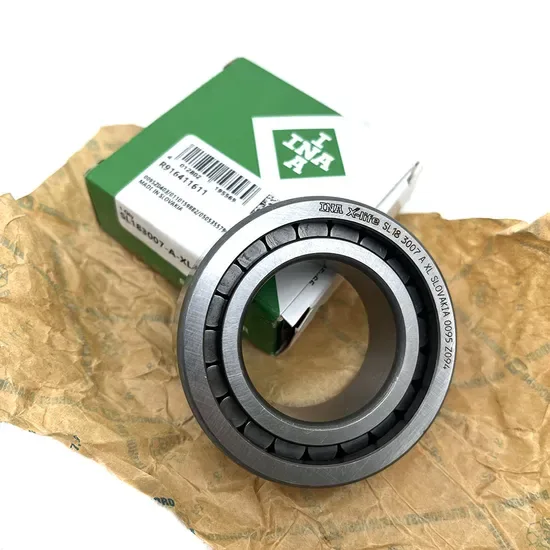
About This INA Bearing
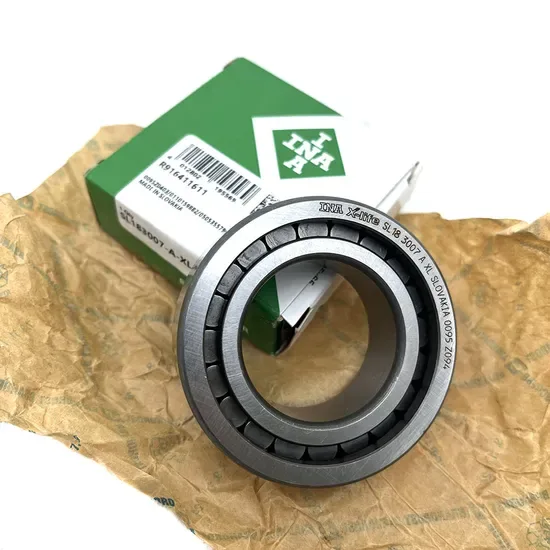
Traceable Batch Origins — Every FAG 3309b shipment includes manufacturer lot codes for full lifecycle verification.
Technical Specifications
| Parameter | Value |
|---|---|
| Designation | FAG 3309b |
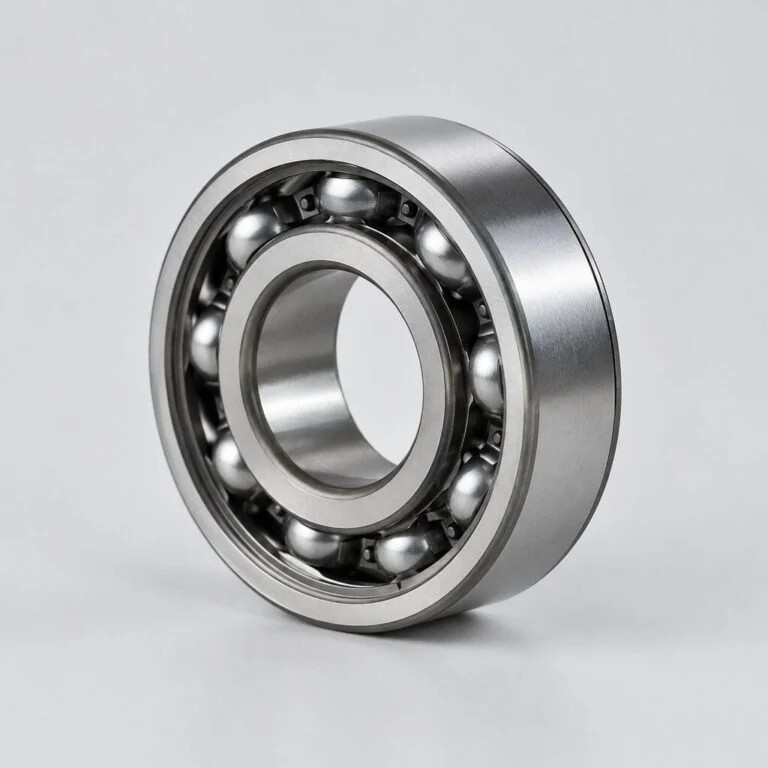
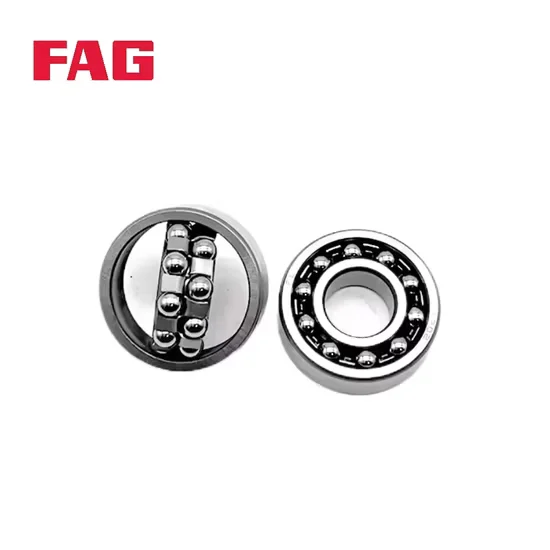
| Bearing Type | Double Row Angular Contact Ball Bearing |
| Contact Angle | α=30° (Bd Type), α=45° (Da Type) |
| Aligning | Non-Aligning Bearing |
| Separated | Separated |
| Number of Rows | Double |
| Material | Bearing Steel |
| Cage Material | Polyamide (Tvh), Sheet Steel, Brass (MP) |
| Seal or Shield Type | Open, 2z, 2hrs |
| Precision Class | P0 / P6 / P5 |
| Standards | DIN 628-3, ISO 15:2017 |
Application Suitability
| Industry | Typical Applications |
|---|---|
| Machine Tool Manufacturing | High-speed spindle support structures |
| Industrial Pump Systems | Impeller shaft axial thrust management |
| Precision Gearboxes | Helical gear meshing alignment |
Why Suffix Omissions Compromise the FAG 3309b double row angular contact ball bearing
Missing a single cage or seal suffix alters the internal clearance and thermal limits entirely.
I once watched a CNC spindle seize up simply because a buyer overlooked a cage suffix on a similar angular contact model. The resulting thermal expansion locked the shaft, causing massive downtime and scrapping an entire batch of precision aerospace components. When sourcing a FAG 3309b double row angular contact ball bearing, assuming default configurations without verifying the exact TVH or MP cage designation invites catastrophic friction. The internal geometry dictates how the rolling elements distribute the axial thrust, and ignoring these subtle suffix variations guarantees premature raceway spalling under continuous heavy milling operations. Procurement teams often focus solely on the basic bore and outer diameter, completely neglecting the internal design modifications that dictate high-speed stability.
Aligning the FAG 3309b double row angular contact ball bearing with Spindle Loads
Machine tool spindles demand rigid axial guidance to maintain tight tolerances during heavy milling and drilling cycles. Unlike single row variants, this double row configuration absorbs bidirectional axial forces simultaneously, stabilizing the shaft against reversing cutting loads. Our engineering team cross-references your specific axial loads to confirm whether the polyamide TVH cage or the brass MP variant suits your RPM profile. Selecting the correct FAG 3309b double row angular contact ball bearing ensures the raceways handle combined loads without premature deflection, maintaining the geometric accuracy required for high-end metalworking applications.
Managing Thermal Expansion and Lubrication Starvation
High-speed cutting generates intense localized heat, which reduces internal clearance and rapidly degrades standard lubricants within the raceway. If the operating environment produces metallic dust or aerosolized coolant, choosing an open design over a sealed variant risks severe abrasive wear on the rolling elements. Properly matching the seal type prevents contamination ingress while managing the friction heat generated by lip contact against the inner ring. Furthermore, temperature gradients across the spindle housing can induce uneven thermal expansion, necessitating careful clearance selection to prevent the bearing from binding during prolonged operation. Ignoring the specific lubrication requirements of the chosen cage material will inevitably lead to starvation and subsequent surface smearing.
Decoding Cage Materials and Precision Tolerances
The choice between polyamide, sheet steel, and brass cages dictates the maximum operational speed and vibration resistance of the assembly. Polyamide cages offer excellent sliding properties and lower weight, making them ideal for high-speed spindle applications, whereas brass cages provide superior durability under heavy shock loads and elevated temperatures. Precision classes ranging from standard to high-precision grades determine the running accuracy; a tighter tolerance minimizes radial runout for demanding machining tasks. Furthermore, the non-aligning design requires precise housing machining to prevent edge loading on the raceways, ensuring the contact angle remains consistent under load to maintain axial rigidity. The separation of the inner and outer rings also demands specific mounting procedures to avoid damaging the precision-ground raceway surfaces during assembly.
The Financial Drain of Unplanned Spindle Downtime
Installing an incorrectly specified bearing often leads to premature raceway spalling, cage fragmentation, and catastrophic shaft damage. According to ISO 15243 failure mode classifications, improper clearance selection accelerates surface fatigue and compromises the entire spindle assembly's structural integrity. The resulting unplanned downtime, emergency freight costs, and scrap part expenses far exceed the initial savings of skipping technical verification. Furthermore, relying on unverified supply chains increases the risk of receiving counterfeit components that lack the proper heat treatment, leading to unpredictable failures that invalidate the machine tool warranty.
Securing Authentic Traceability and Technical Alignment
Counterfeit angular contact bearings frequently fail under high axial loads due to substandard steel metallurgy and improper heat treatment. We provide complete traceability documentation, allowing you to verify the exact production batch of your FAG 3309b double row angular contact ball bearing via official channels. Our flexible MOQ supports everything from single-unit emergency spindle repairs to full container consolidations for machine tool assembly lines across different regions. Additionally, our technical team reviews your housing tolerances and cross-references equivalent models to prevent the misalignment issues that plague standard off-the-shelf purchases, ensuring long-term operational reliability. We also consolidate global shipping and provide long-term after-sales technical support for failure analysis, helping your maintenance team understand the root causes of any unexpected wear patterns.
Documentation & Authenticity
- Certificate of Conformity confirming DIN 628-3 dimensional compliance for the double row raceways
- Manufacturer batch traceability codes linked to the original steel melt for the bearing rings
- Official app QR verification ensuring the anti-counterfeiting labels match the physical carton
- Material inspection reports validating the bearing steel hardness and microstructure
- Running accuracy inspection confirming P5 tolerance limits before dispatch
Storage, Handling & Mounting
- Store the open-type variants in climate-controlled environments to prevent corrosion on the exposed raceways
- Use induction heaters for inner ring mounting to avoid damaging the polyamide TVH cage during expansion
- Keep the 2HRS sealed units in original packaging until installation to preserve the factory-filled lubricant
- Apply clean lint-free gloves when handling P5 precision bearings to prevent skin acidity etching
- Verify the shaft and housing shoulder heights to ensure proper axial clamping of the separated rings
Engineering Data Required for Selection Verification
To ensure optimal spindle performance, please share your specific radial and axial load profiles along with the maximum operating RPM. Providing the OEM machine tool model number allows our team to cross-reference the exact housing dimensions and confirm the required precision class. This technical review prevents clearance mismatches and guarantees the selected configuration matches your thermal environment.
Frequently Asked Questions
Q: How can I verify the authenticity of the received bearings?
A: You can scan the QR codes on the packaging using the manufacturer's official application to confirm the anti-counterfeiting labels. We also supply original batch traceability documents and material inspection reports. This ensures every component meets the required metallurgical standards and prevents the installation of counterfeit parts that could cause spindle failure.
Q: What does the unverified suffix mean in the designation?
A: The specific suffix in this designation requires confirmation against the latest manufacturer catalog to determine its exact internal design modification. We always cross-reference the official engineering documentation before shipping to ensure the internal geometry and clearance match your specific application requirements, preventing unexpected fitting issues during assembly.
Q: How do I choose between polyamide, steel, and brass cages?
A: Polyamide cages are lightweight and ideal for high-speed applications with minimal vibration, while brass cages offer superior durability under heavy shock loads and higher temperatures. Sheet steel cages provide a balanced compromise for general industrial gearboxes. Our engineering team evaluates your specific RPM and load conditions to recommend the optimal cage material.
Q: What are the differences in precision classes for this bearing type?
A: Standard P0 class suits general machinery, whereas P6 and P5 classes offer tighter dimensional and running accuracy tolerances. High-precision machine tool spindles typically require P5 to minimize radial runout and maintain tight machining tolerances. We verify the exact precision grade against your spindle design specifications to ensure optimal rotational accuracy.
Q: How should I select the correct seal type for my environment?
A: Open designs require external lubrication systems and suit clean environments, while 2Z shields offer basic dust protection with low friction. The 2HRS contact seals provide superior protection against coolant and metallic dust ingress in harsh machining zones, though they generate slightly more friction. We match the seal type to your specific contamination risks.