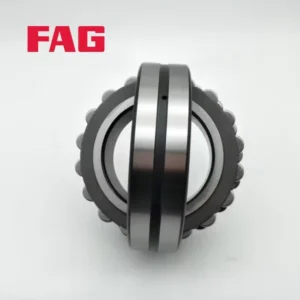
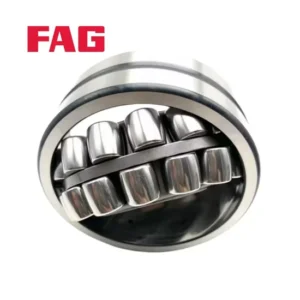
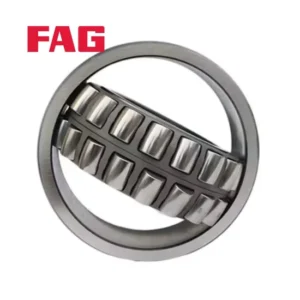
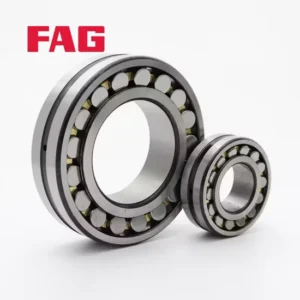
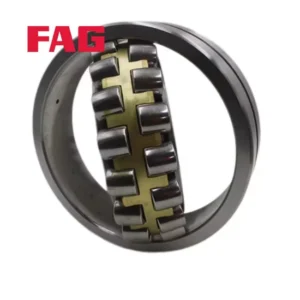
Product Details
About This INA Bearing
Consolidated Brand Sourcing — Procure this exact FAG unit alongside mixed SKF or TIMKEN parts in a single shipment without juggling multiple vendors.
Technical Specifications
| Parameter | Value |
|---|---|
| Designation | FAG 23032-E1-XL-K-Tvpb |
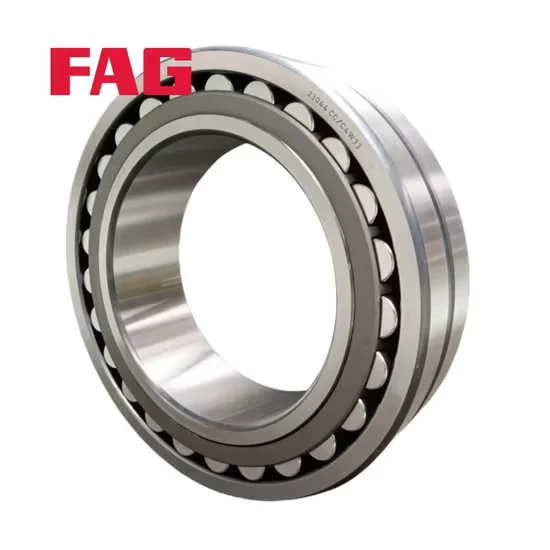
| Bearing Type | Spherical Roller Bearing |
| Bore Type | 1:12 Tapered Bore |
| Structure | Double Row, Self-Aligning |
| Material | Available in chrome steel or specialized alloy variants |
Note: Suffixes E1, XL, and Tvpb require manufacturer catalog confirmation for exact internal design and cage material specifications.
Application Suitability
| Industry | Typical Applications |
|---|---|
| Mining | Crushers and vibrating screens |
| Metallurgy | Steel mill equipment |
| Pulp & Paper | Paper machines |
Why Standard Clearance Fails in Heavy-Duty FAG 23032-E1-XL-K-Tvpb Spherical Roller Bearing Applications
Thermal expansion in high-heat environments quickly eliminates standard internal clearance, leading to catastrophic roller seizure.
Operating heavy machinery in extreme conditions often exposes the critical gap between theoretical catalog ratings and actual field performance. I once supplied a similar 23032 series unit to a gold mine in South Africa, only to see it lock up completely due to thermal growth because standard clearance was specified for a high-heat vibrating screen. Selecting the right internal play is absolutely critical to avoid unplanned downtime and catastrophic roller seizure. When dealing with heavy impact loads, the internal geometry must be precisely matched to the thermal profile of the specific application. Ignoring these thermal dynamics is a common pitfall that results in massive financial losses.
Matching the FAG 23032-E1-XL-K-Tvpb Spherical Roller Bearing to Severe Duty Cycles
When sourcing a FAG 23032-E1-XL-K-Tvpb spherical roller bearing for severe duty cycles, matching the internal geometry to the specific load profile is essential for long-term reliability. Our engineering team carefully cross-references your operational data to ensure the selected unit handles the combined radial and axial forces typical in crushing and milling equipment. This targeted approach prevents premature fatigue, minimizes edge loading, and significantly extends service intervals across your processing plant. We analyze the specific shock load frequencies to recommend the most appropriate internal configuration.
Managing Shock Loads and Thermal Extremes in Mineral Processing
Mineral processing environments continuously subject rotating shafts to intense shock loads and significant thermal fluctuations that compromise standard components. These combined stresses demand a highly capable self-aligning structure that accommodates shaft deflection without edge-loading the rollers or damaging the raceways. Furthermore, elevated temperatures dictate the strict need for specialized clearance classes to compensate for thermal expansion during continuous operation. Proper lubrication intervals must also be rigorously established to flush out abrasive dust and prevent severe raceway scoring in these harsh conditions.
Decoding the Tapered Bore and Self-Aligning Geometry
The defining feature of this configuration is the 1:12 tapered bore, indicated by the K suffix, which allows for exceptionally secure mounting on adapter sleeves. This interference fit ensures tight radial clamping while permitting precise adjustment of the internal clearance during the installation process. The double-row self-aligning structure automatically compensates for minor housing misalignments and shaft bending under heavy operational loads. By utilizing a tapered bore design, maintenance teams can achieve optimal preload without requiring complex machining of the shaft shoulders. This mounting method significantly simplifies the replacement process in confined industrial spaces, reducing overall maintenance time. Furthermore, the self-aligning capability ensures that the load is evenly distributed across both rows of rollers, maximizing the dynamic load capacity.
The Hidden Financial Impact of Incorrect Clearance Selection
Specifying incorrect internal clearance or ignoring thermal growth factors inevitably leads to premature failure and catastrophic damage to surrounding housing components. When rollers bind due to thermal expansion, the resulting friction generates excessive heat, rapidly accelerating lubricant degradation and causing metal-to-metal contact. Such unplanned downtime disrupts entire production lines, delays shipments, and frequently voids original equipment warranties. Adhering to the failure analysis frameworks outlined in ISO 15243 helps identify these root causes before they escalate into major capital expenditures.
Securing Authentic Traceability for Critical Drive Components
Procuring genuine industrial bearings requires much more than just matching a part number; it demands rigorous supply chain verification and technical oversight. We provide complete traceability documentation for every FAG 23032-E1-XL-K-Tvpb spherical roller bearing, ensuring the metallurgical properties strictly meet original specifications. Our flexible consolidation services allow you to mix this specific tapered bore unit with other emergency spare parts in a single, cost-effective shipment. Additionally, our technical team offers cross-brand equivalent model consultation if lead times for the exact designation require an immediate alternative. This comprehensive support guarantees that your maintenance schedules remain completely uninterrupted.
Documentation & Authenticity
- Certificate of Conformity verifying the 1:12 tapered bore dimensions and specified material grade.
- Original manufacturer batch traceability linking the specific heat number to the forging process.
- Anti-counterfeit QR code validation confirming the authentic double-row self-aligning internal geometry.
- Dimensional inspection report validating the K suffix taper angle before dispatch.
Storage, Handling & Mounting
- Store the tapered bore unit in its original packaging to prevent humidity ingress on the precision machined inner ring.
- Use induction heating for mounting the inner ring onto the adapter sleeve to avoid mechanical damage to the bore.
- Measure the drive-up distance carefully to achieve the correct residual internal clearance for the self-aligning structure.
- Apply clean gloves when handling the exposed rolling elements to prevent acidic corrosion from skin contact.
Preparing Your Technical Data for Precision Selection
To ensure optimal performance and prevent premature wear, please share your specific operational parameters, including detailed radial and axial loads, operating speeds, and ambient temperatures. Providing the original OEM equipment number allows our engineers to perform a precise cross-reference check and verify the required clearance class for your exact application. Please also specify any unique environmental factors, such as excessive moisture or chemical exposure, so we can recommend appropriate sealing or coating options. This detailed technical review guarantees that the supplied unit perfectly matches your application's unique mechanical demands and environmental challenges, ensuring maximum uptime for your critical machinery.
Frequently Asked Questions
Q: What does the K suffix indicate for this bearing's installation process?
A: The K suffix designates a 1:12 tapered bore, meaning the inner ring is mounted using an adapter sleeve rather than a cylindrical shaft seat. This allows maintenance crews to precisely adjust the internal radial clearance by controlling the drive-up distance during installation, ensuring optimal load distribution.
Q: How can I verify the authenticity of this specific FAG unit from third-party suppliers?
A: Authenticity verification involves scanning the manufacturer's official QR code on the packaging and cross-referencing the batch number with their digital traceability system. Additionally, inspecting the physical marking on the inner ring and requesting the original Certificate of Conformity ensures the metallurgical and dimensional specifications match the catalog data.
Q: Why is selecting the correct clearance class critical for high-temperature applications?
A: In high-temperature environments, the inner ring expands more than the outer ring due to the thermal gradient, which reduces the internal clearance. If a standard clearance is used, this thermal growth can cause the rollers to bind and seize. Selecting a larger clearance class compensates for this expansion, maintaining proper rolling motion.
Q: How does the self-aligning feature compensate for shaft deflection in heavy machinery?
A: The double-row self-aligning structure features a continuous spherical raceway on the outer ring, allowing the inner ring and roller assembly to pivot slightly. This design automatically corrects minor misalignments caused by shaft bending or housing inaccuracies under heavy loads, preventing destructive edge stresses on the rolling elements.