
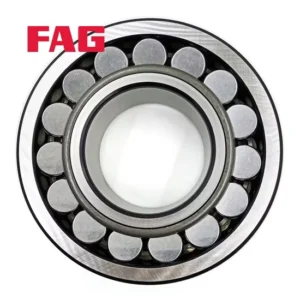
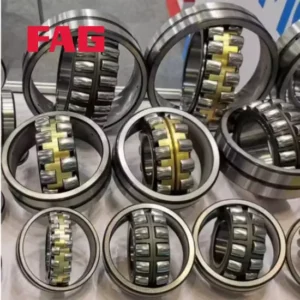
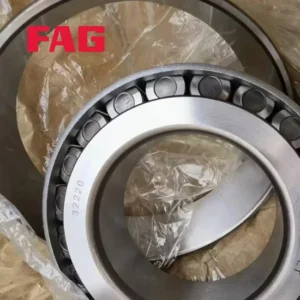
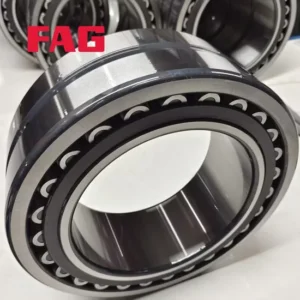
Product Details
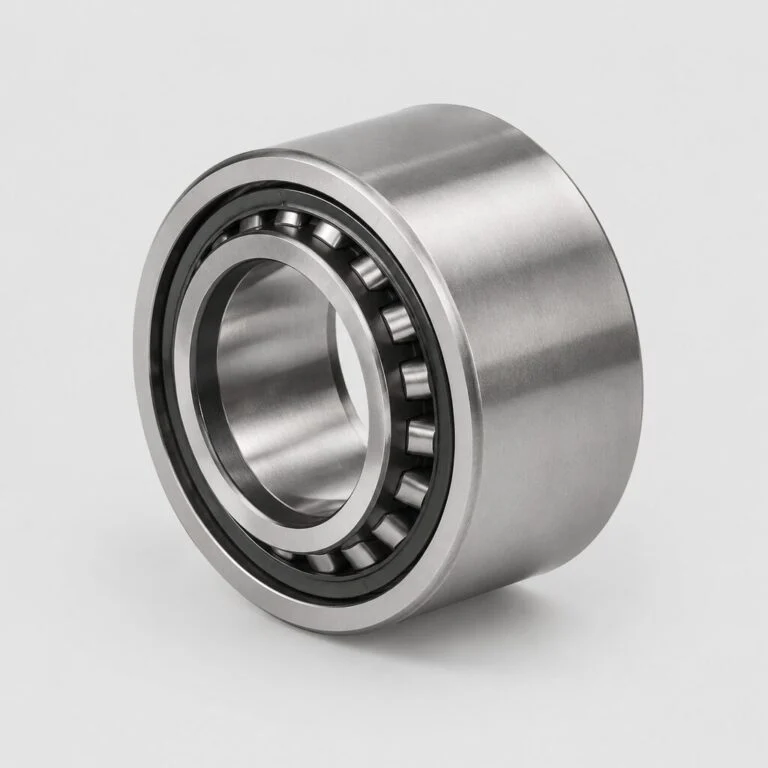
About This INA Bearing
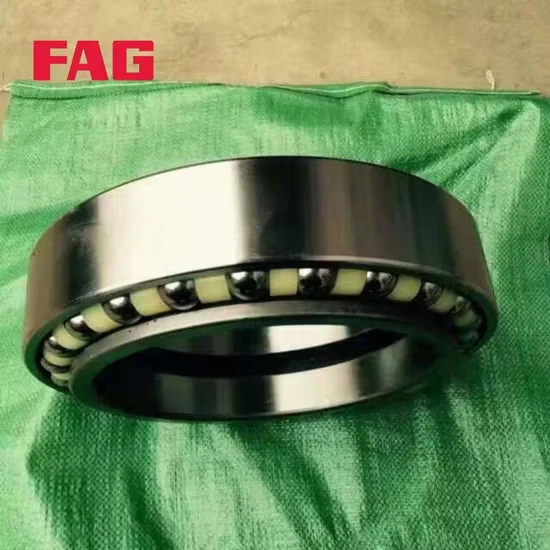
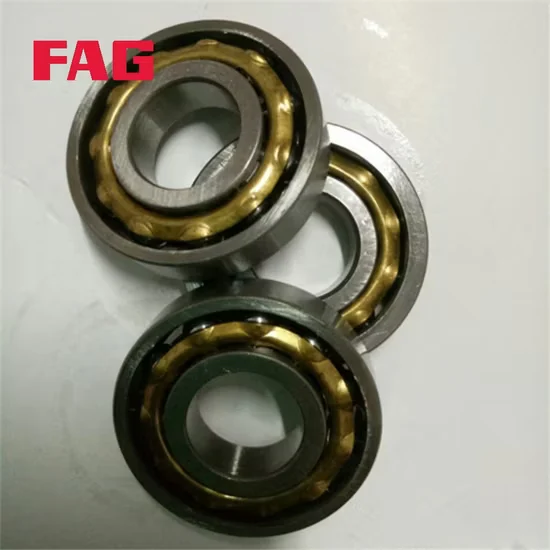
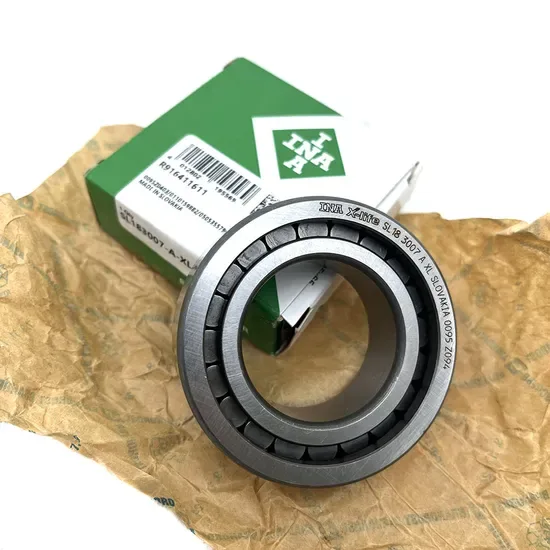
Original Batch Traceability — Every FAG 22311-E1-XL spherical roller bearing shipped includes factory lot documentation to verify production origin and material heat numbers.
Technical Specifications
| Parameter | Value |
|---|---|
| Designation | FAG 22311-E1-XL-C3 22311-E1-XL-C4 22311-E1-XL |
| Bearing Type | Spherical Roller Bearing |
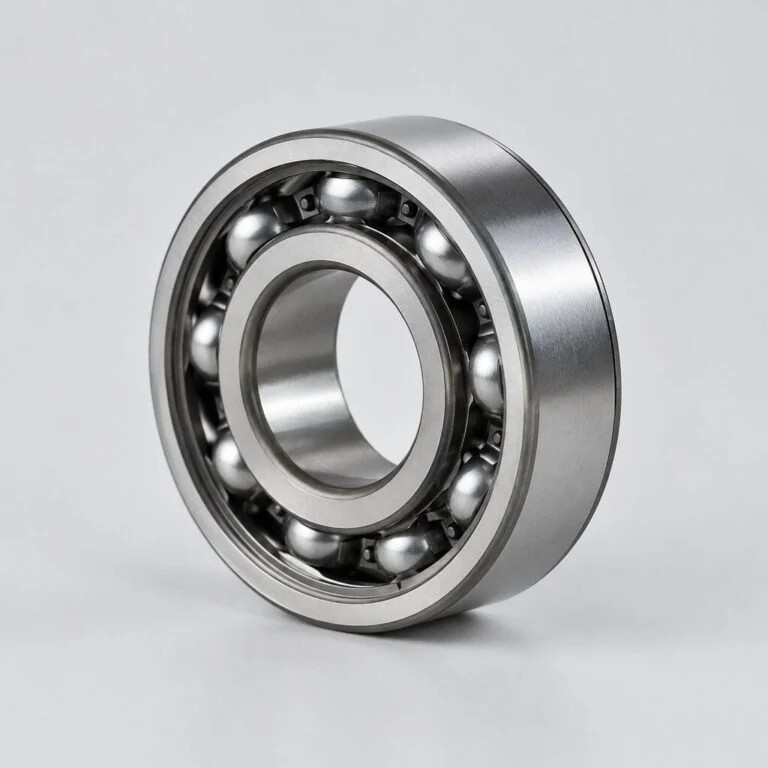
| Arrangement | Double Row, Self-Aligning |
| Material | Chrome Steel Gcr15 |
| Cage Material | Steel Cage / Brass Cage / Nylon Cage |
| Precision Class | P0 / P2 / P4 / P5 / P6 |
| Clearance Class | C3 / C4 / Standard |
| Origin | Jiangsu China |
Application Suitability
| Industry | Typical Applications |
|---|---|
| Mining & Aggregates | Vibrating screen exciter mechanisms and primary jaw crushers |
| Pulp & Paper | Paper machine dryer cylinder support journals |
| Metallurgy | Steel mill continuous casting roll guide bearings |
Why Standard Clearance Fails in Heavy-Duty Spherical Roller Bearings
When specifying a FAG 22311-E1-XL spherical roller bearing for high-heat environments, assuming standard internal clearance is a critical oversight.
Thermal expansion rapidly eliminates standard clearance, causing catastrophic raceway binding under heavy radial loads.
I witnessed this exact failure at a Nigerian cement plant where a kiln drive seized because standard clearance was used. The intense heat expanded the inner ring, squeezing the rolling elements until the cage fractured. Selecting expanded clearance prevents this destructive interference.
Aligning Bearing Geometry with Severe Misalignment
The self-aligning capability of this FAG 22311-E1-XL spherical roller bearing accommodates shaft deflection in heavy vibrating equipment. Our engineering team frequently cross-references OEM part numbers to ensure the internal geometry matches the original design, preventing premature edge loading.
Withstanding Shock Loads and Contaminated Environments
Crushers and vibrating screens subject bearings to intense shock loads and severe particulate contamination. The double row arrangement distributes these heavy radial forces evenly. Adequate lubrication flow is essential to flush out debris and maintain a protective oil film, especially when operating at elevated temperatures.
Decoding Internal Geometry and Material Selection
The double row, self-aligning arrangement inherently compensates for minor housing misalignment, protecting rollers from edge stress. Chrome Steel Gcr15 provides necessary core hardness for continuous heavy-load operation. Selecting between C3 and C4 clearance classes is vital; C4 offers greater internal space for extreme thermal gradients. Furthermore, brass cages are typically preferred over steel or nylon variants in high-vibration screens due to superior fatigue resistance and better lubrication retention.
The Financial Impact of Incorrect Clearance Selection
Specifying the wrong internal clearance inevitably leads to unplanned downtime and catastrophic damage to adjacent drivetrain components. According to failure analysis frameworks like ISO 15243, clearance loss generates excessive friction heat, rapidly degrading the lubricant. This premature failure voids equipment warranties and forces expensive emergency replacements.
Securing Authentic Components for Critical Machinery
Sourcing genuine bearings requires strict verification, as counterfeit parts frequently fail under heavy loads. We maintain massive spot inventory, ensuring rapid dispatch for urgent maintenance. Our technical team provides cross-brand equivalent model consultation, helping you verify if a specific clearance suffix matches your thermal profile. Every shipment includes complete traceability documentation, guaranteeing metallurgical integrity.
Documentation & Authenticity
- Factory batch traceability reports confirming the exact heat number for the Gcr15 chrome steel rings.
- Dimensional inspection certificates verifying C3 or C4 clearance tolerances before dispatch.
- Original manufacturer packaging seals intact to guarantee unaltered internal geometry.
- Material test reports validating the hardness and chemical composition of the rolling elements.
Storage, Handling & Mounting Guidelines
- Store the C3 and C4 clearance variants in climate-controlled environments to prevent condensation inside the unsealed raceways.
- Use induction heaters for cylindrical bore mounting, strictly monitoring temperature to avoid altering the Gcr15 steel microstructure.
- Keep original factory packaging sealed until installation to protect the precision-machined self-aligning outer ring from dust ingress.
- Apply clean gloves during handling to prevent sweat corrosion on the exposed chrome steel surfaces before lubrication.
Engineering Review and Selection Support
To ensure optimal service life, please share your specific radial and axial load profiles, operating speeds, and ambient temperature ranges. Providing the exact OEM equipment number allows our technical team to perform a comprehensive L10 life calculation and verify the required C3 or C4 clearance class for your specific vibrating screen or crusher application.
Frequently Asked Questions
Q: What is the difference between C3 and C4 clearance in spherical roller bearings?
A: C3 clearance provides greater internal space than standard, accommodating moderate thermal expansion and interference fits. C4 clearance offers even more internal space, designed for extreme temperature gradients or very heavy interference fits. Selecting the correct class prevents the bearing from binding and seizing when the inner ring expands under operational heat.
Q: How to verify the authenticity of FAG bearings through official channels?
A: Authenticity is verified by checking the original manufacturer packaging, scanning the official app QR code on the label, and cross-referencing the batch number with factory records. We supply complete traceability documentation, including material and dimensional inspection reports, ensuring every component meets the original metallurgical and geometric specifications.
Q: What are the cage material selection boundaries for heavy-duty vibrating screens?
A: Brass cages are generally preferred for vibrating screens due to their high fatigue strength, excellent wear resistance, and superior ability to retain lubricant under intense vibration. Steel cages are suitable for standard loads, while nylon cages are typically restricted to lower-temperature, moderate-load applications where weight reduction and noise dampening are prioritized over extreme shock resistance.
Q: How to interpret unverified suffixes like E1 and XL in FAG designations?
A: These suffixes indicate specific internal design enhancements or optimized roller profiles, but their exact technical definitions require direct confirmation from the manufacturer's current catalog. We always cross-check these designations against the latest official engineering documentation to ensure the internal geometry perfectly matches your equipment's original load and speed requirements.
Q: What are the recommended lubrication intervals for crusher applications?
A: Lubrication intervals depend heavily on the specific crusher type, operating speed, and environmental contamination levels. Heavy shock loads and dust ingress typically require more frequent relubrication to flush out debris and maintain a protective oil film. We recommend calculating the exact replenishment volume based on the bearing's outer diameter and the specific severity of your operational environment.