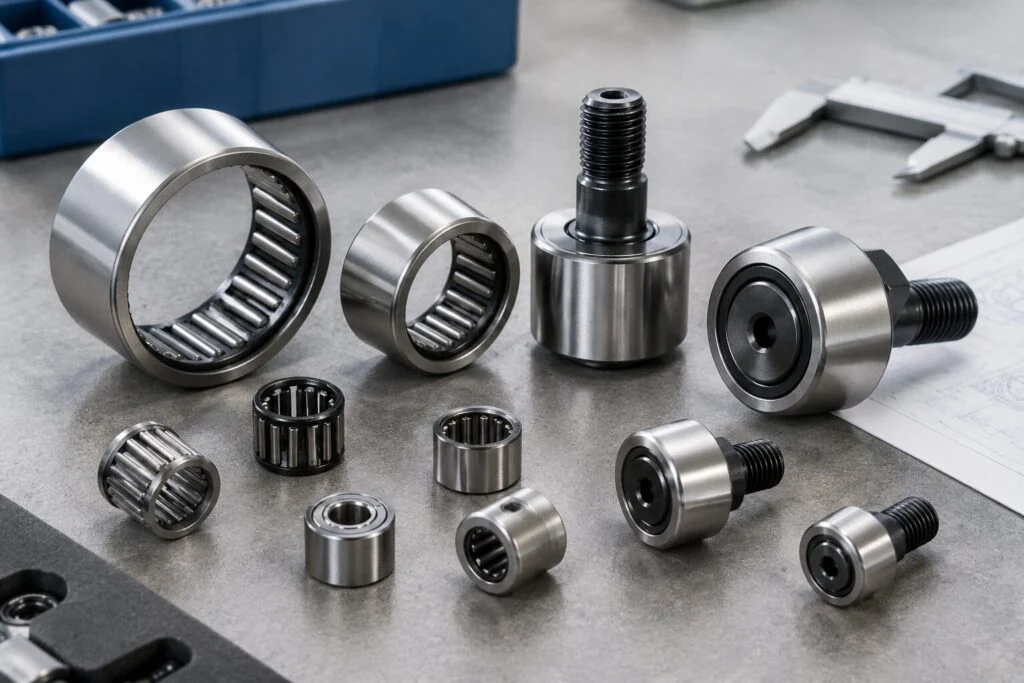
INA Freewheels Conveyor Backstops Wholesale Supplier
Most backstop failures are not caused by mechanical overload, but by lubricant degradation in counterfeit components.
Selecting the correct genuine INA freewheel requires matching the specific belt inclination angle and impact load factor to prevent catastrophic reverse-running. Authentic sourcing ensures traceability and proper grease formulation for harsh environments, which is critical for maintaining operational continuity in mining and cement applications.
The humidity in Sulawesi during the wet season does not just rust steel; it penetrates seals that were never designed for such conditions. I stood on the maintenance platform of a nickel mine conveyor, watching the main belt reverse direction after the backstop failed. The sound of crushing idlers was deafening. When we dismantled the unit, the issue was not a broken sprag or a cracked housing. The lubricant inside the non-genuine bearing had dried into a hard, abrasive paste, causing immediate seizure under load. This incident shifted my focus from general quality control to the technical specifics of INA freewheels conveyor backstops. It became clear that the cost of downtime far exceeded the price difference between authentic and counterfeit parts. Understanding the interaction between environmental stress and component integrity is essential for any operation relying on inclined conveyors.
Proper selection begins with recognizing that a backstop is not a static component. It must withstand dynamic forces that vary with material weight and belt speed. [NEED_CITE: calculation methods for overrunning torque based on belt inclination] Many operators assume that a higher load capacity rating automatically means better performance. However, mismatched internal clearance for specific belt angles can lead to premature fatigue. The goal is not just to stop the belt, but to do so without generating excessive heat or wear that compromises the next start-up cycle.
Why Do Conveyor Backstops Fail in Harsh Environments?
Harsh conditions like high humidity and dust accelerate the degradation of inferior lubricants, leading to sudden seizure rather than gradual wear.
In heavy industry, the environment is often the primary enemy of mechanical reliability. Mining and cement plants operate in spaces filled with abrasive particulate matter and fluctuating temperatures. A common misconception is that backstops fail due to extreme mechanical shock. While impact loads are a factor, the silent killer is often the breakdown of the lubrication system within the freewheel clutch. Counterfeit or low-quality bearings frequently use generic grease formulations that lack the thermal stability and water resistance required for these applications.
When I visited a cement plant in Southeast Asia, the maintenance team reported frequent backstop replacements. The belts were not operating at maximum capacity, yet the units were failing prematurely. Upon inspection, we found that the grease had emulsified due to moisture ingress, losing its viscosity and protective properties. This led to metal-to-metal contact within the sprag assembly. Genuine INA components are engineered with seals and lubricants designed to withstand such conditions, ensuring that the freewheel operates smoothly even when exposed to dust and humidity. [NEED_CITE: effects of lubricant degradation on bearing life in contaminated environments]
The cost of using non-genuine parts extends beyond the purchase price. A single failure can halt production for days, requiring extensive cleanup and realignment. In contrast, investing in authentic INA freewheels conveyor backstops provides a layer of security against these environmental threats. The materials used in genuine products undergo rigorous testing to ensure they maintain their structural integrity under stress. This reliability is crucial for operations where unplanned downtime translates to significant financial loss.
Operators must also consider the maintenance schedule. Even genuine components require periodic inspection, but the interval is significantly longer compared to inferior alternatives. The key is to establish a routine that includes checking for signs of leakage or unusual noise. By prioritizing environmental resilience in component selection, plants can reduce the frequency of emergency repairs and extend the overall lifespan of their conveyor systems.
How to Match INA Freewheel Series to Belt Inclination?
Proper selection requires calculating the exact overrunning torque based on the conveyor’s specific angle and material weight.
Not all freewheels are created equal, and selecting the right series depends heavily on the geometry of the conveyor system. The belt inclination angle determines the gravitational force acting on the loaded belt, which directly influences the torque the backstop must resist. A steeper angle requires a unit with a higher torque rating and potentially different internal geometry to handle the increased stress. Using a standard unit on a steep incline can lead to slippage or catastrophic failure.
To make the correct choice, engineers must calculate the overrunning torque. This involves considering the total mass of the material on the belt, the belt speed, and the angle of inclination. [NEED_CITE: standard formulas for conveyor backstop torque calculation] Once the theoretical torque is determined, a safety margin is applied to account for dynamic loads such as start-up surges or material blockages. This is where the specific series of INA freewheels conveyor backstops becomes relevant. Different series are optimized for different torque ranges and operating speeds.
| Selection Factor | Low Inclination (<10 degrees) | Moderate Inclination (10-20 degrees) | Steep Inclination (>20 degrees) |
|---|---|---|---|
| Torque Requirement | Standard | High | Very High |
| Impact Load Sensitivity | Low | Moderate | High |
| Recommended Series Type | General Purpose | Heavy Duty | Extra Heavy Duty |
| Lubrication Demand | Standard | Enhanced | Specialized |
A case in point involved a bulk terminal handling iron ore. The original backstops were selected based on nominal load capacity without accounting for the steep decline of the discharge conveyor. During peak operation, the units experienced excessive heat buildup and eventual failure. By recalculating the torque requirements and switching to a series designed for higher inclination angles, the plant eliminated these failures. The new units handled the load with minimal temperature rise, demonstrating the importance of precise matching.
It is also important to consider the direction of rotation and the mounting configuration. Some freewheels are designed for specific mounting orientations, and installing them incorrectly can compromise their function. Technical support from a knowledgeable supplier can help verify these details before procurement. Ensuring that the selected INA freewheels conveyor backstops align with the specific mechanical demands of the conveyor prevents costly mismatches and enhances operational safety.
What Are the Hidden Costs of Non-Genuine Backstop Bearings?
Counterfeit bearings lack proper grease formulation and heat treatment, leading to sudden seizure and massive production losses.
The initial savings from purchasing non-genuine bearings are often illusory. The true cost emerges when the component fails, causing unplanned downtime and potential damage to surrounding equipment. In one instance, a mining operation saved a small percentage on bearing costs by opting for a cheaper alternative. Within months, the backstop failed, causing the belt to reverse and damage several idlers and the drive unit. The repair costs, including labor and replacement parts, were multiples of the initial savings.
Counterfeit products often bypass critical manufacturing steps such as proper heat treatment and precision grinding. This results in components that are more susceptible to wear and fatigue. Additionally, the lubricants used in fake bearings are rarely tested for long-term stability in industrial environments. As seen in the Sulawesi incident, these lubricants can degrade rapidly, leading to seizure. [NEED_CITE: comparison of material hardness and fatigue life between genuine and counterfeit bearings]
Another hidden cost is the lack of traceability. With genuine products, each batch can be traced back to its production records, ensuring consistency and quality. Counterfeit items have no such documentation, making it difficult to identify the root cause of failures or to verify compliance with safety standards. This uncertainty adds risk to every installation. For MRO operators, the ability to rely on consistent quality is paramount. Sourcing INA freewheels conveyor backstops from verified channels ensures that every unit meets the manufacturer’s specifications.
Furthermore, the time spent diagnosing and replacing failed non-genuine parts is a significant operational burden. Maintenance teams are diverted from preventive tasks to emergency repairs, reducing overall efficiency. By investing in authentic components, companies can stabilize their maintenance schedules and reduce the stress on their technical staff. The reliability of genuine parts allows for predictable lifecycle management, which is essential for long-term planning.
How to Ensure Authentic Sourcing for Critical MRO Spares?
Partnering with verified global suppliers guarantees traceability, correct technical matching, and rapid delivery for emergency replacements.
Securing genuine components requires more than just finding a low price. It involves establishing relationships with suppliers who prioritize authenticity and technical accuracy. A reliable supplier provides complete traceability documentation, allowing buyers to verify the origin and specifications of each part. This is particularly important for critical spares like backstops, where failure can have severe consequences. [NEED_CITE: importance of supply chain traceability in preventing counterfeit industrial parts]
In the global market, mixed-batch orders are common for MRO purposes. Operators often need various bearing types and sizes to maintain diverse equipment. A professional supplier can consolidate these orders, reducing shipping costs and lead times. This flexibility is crucial for remote sites where inventory space is limited and urgent needs arise frequently. By offering a one-stop sourcing solution, suppliers can simplify the procurement process for industrial clients.
Technical support is another key aspect of authentic sourcing. Suppliers with deep industry knowledge can assist in selecting the correct INA freewheels conveyor backstops based on specific application requirements. They can provide datasheets, installation guides, and failure analysis support. This level of service helps operators make informed decisions and avoid common pitfalls. For example, a distributor in the Middle East relied on such support to upgrade their backstop inventory, resulting in improved reliability across their client base.
Finally, verifying the supplier’s reputation and certifications is essential. Look for partners who adhere to international quality standards and have a proven track record in serving heavy industries. Check for customer testimonials and case studies that demonstrate their capability to handle complex requirements. By choosing a supplier who values integrity and technical expertise, companies can ensure they receive genuine products that perform as expected. This approach minimizes risk and maximizes the return on investment for maintenance spending.
Conclusion
Authentic INA freewheels are essential for preventing catastrophic conveyor failures in harsh industrial environments.
Selecting the right backstop involves careful consideration of belt inclination, impact loads, and environmental conditions. Relying on non-genuine parts introduces significant risks of seizure and downtime due to inferior materials and lubricants. Partnering with verified suppliers ensures access to traceable, high-quality INA freewheels conveyor backstops that meet the demanding requirements of mining and cement operations.